Service 01
Business servers
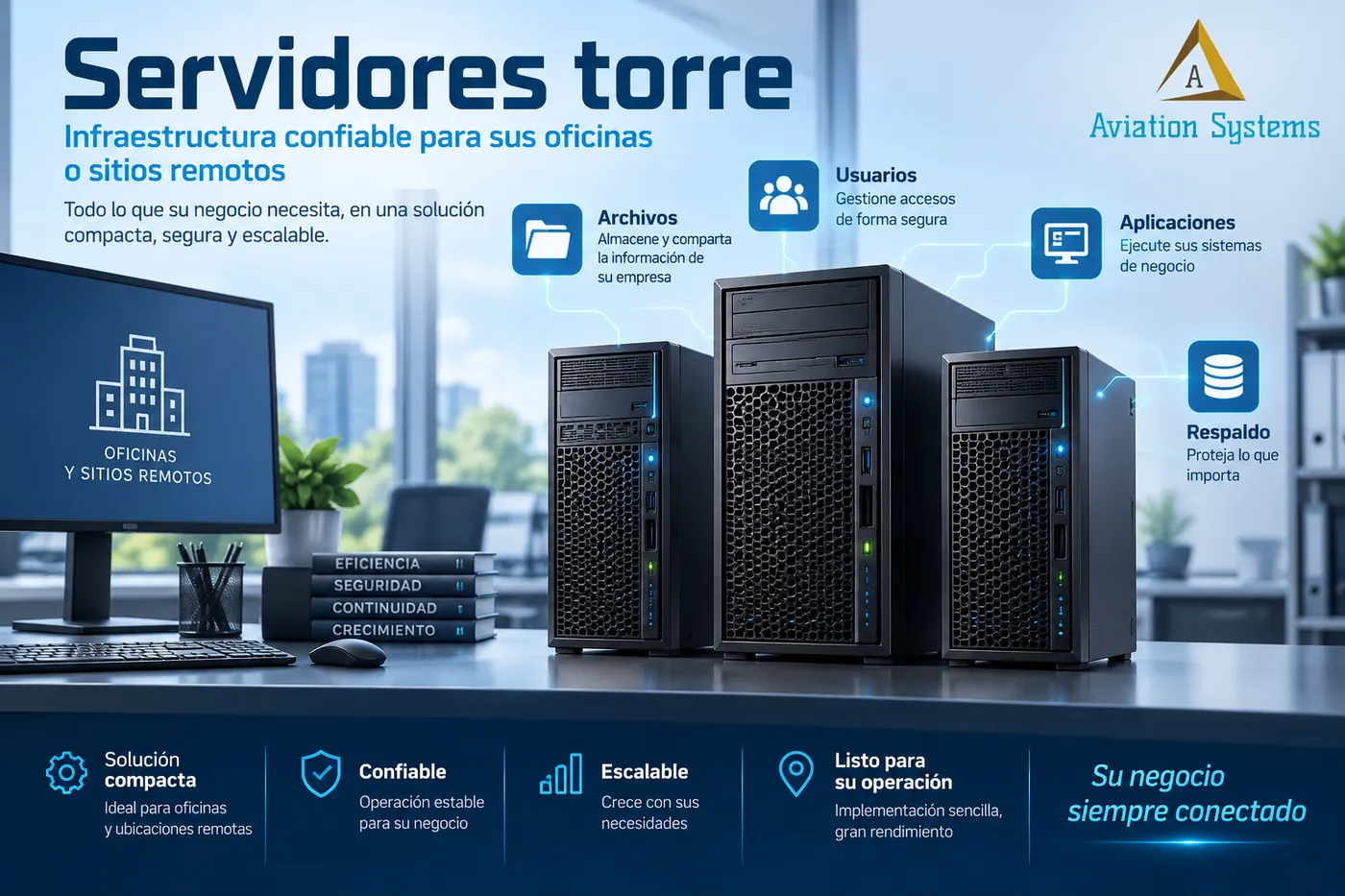
We size and implement physical servers according to the applications, number of users, processing, memory, storage, growth and required level of availability.
Quote this service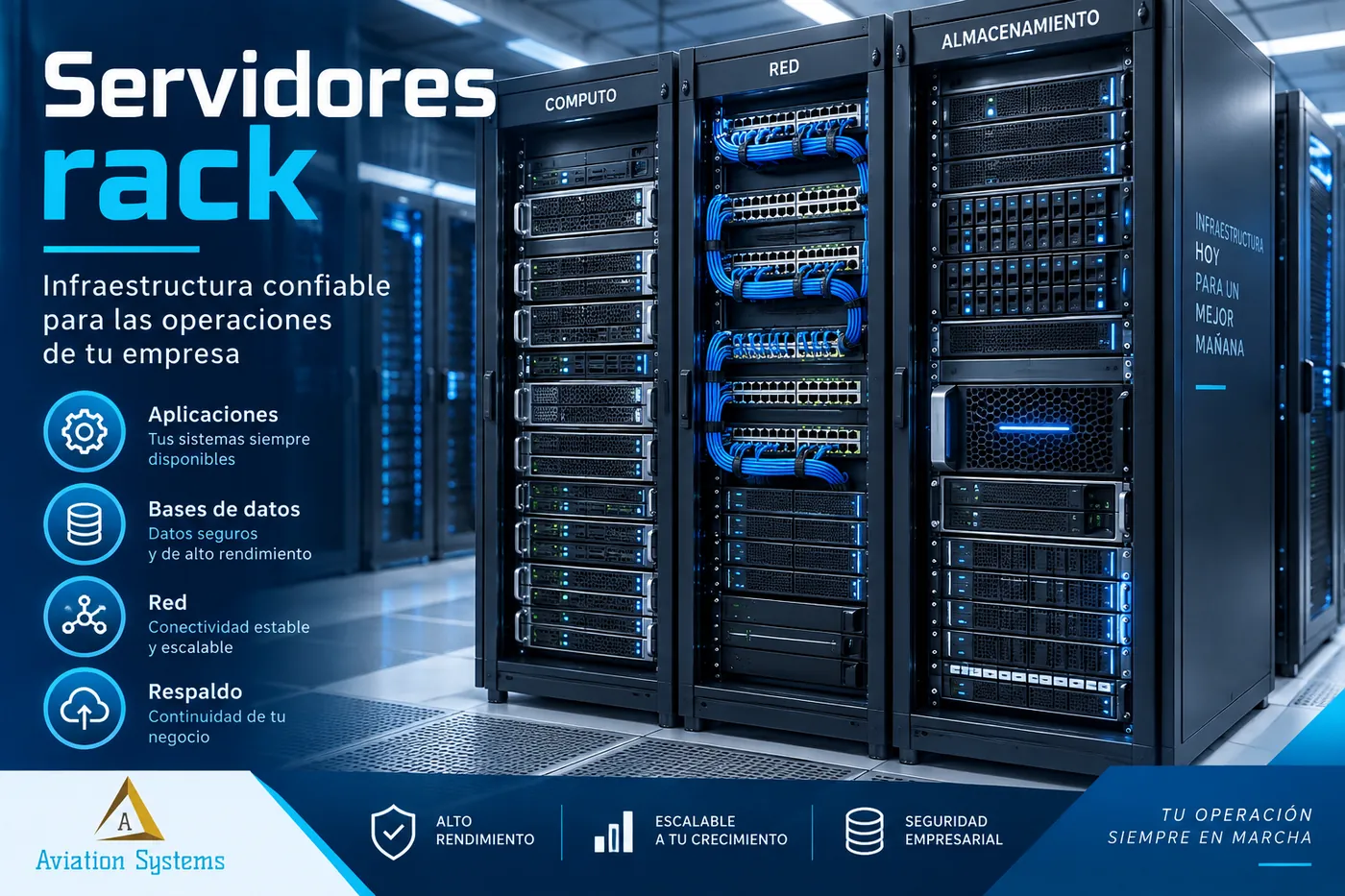
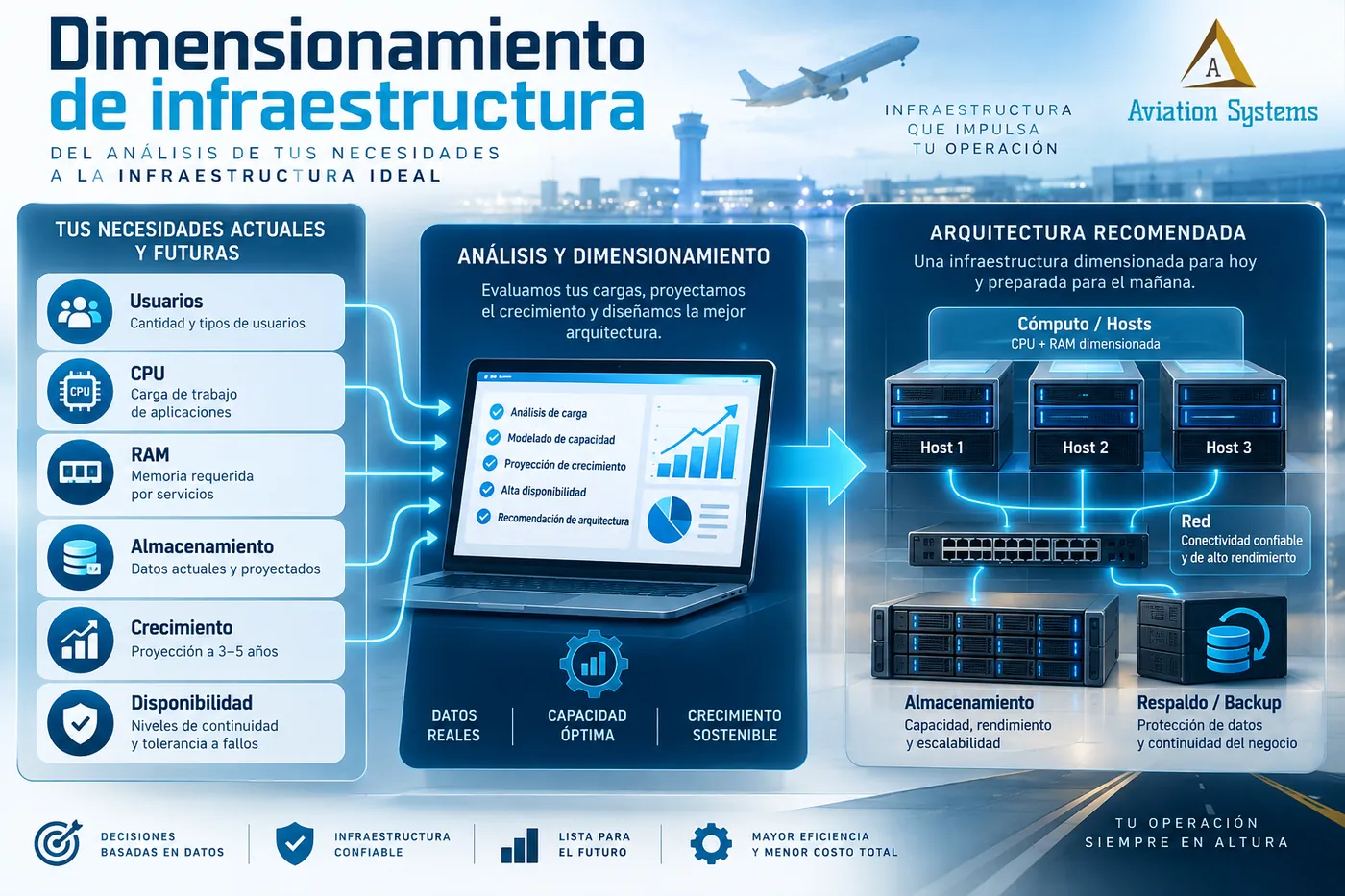
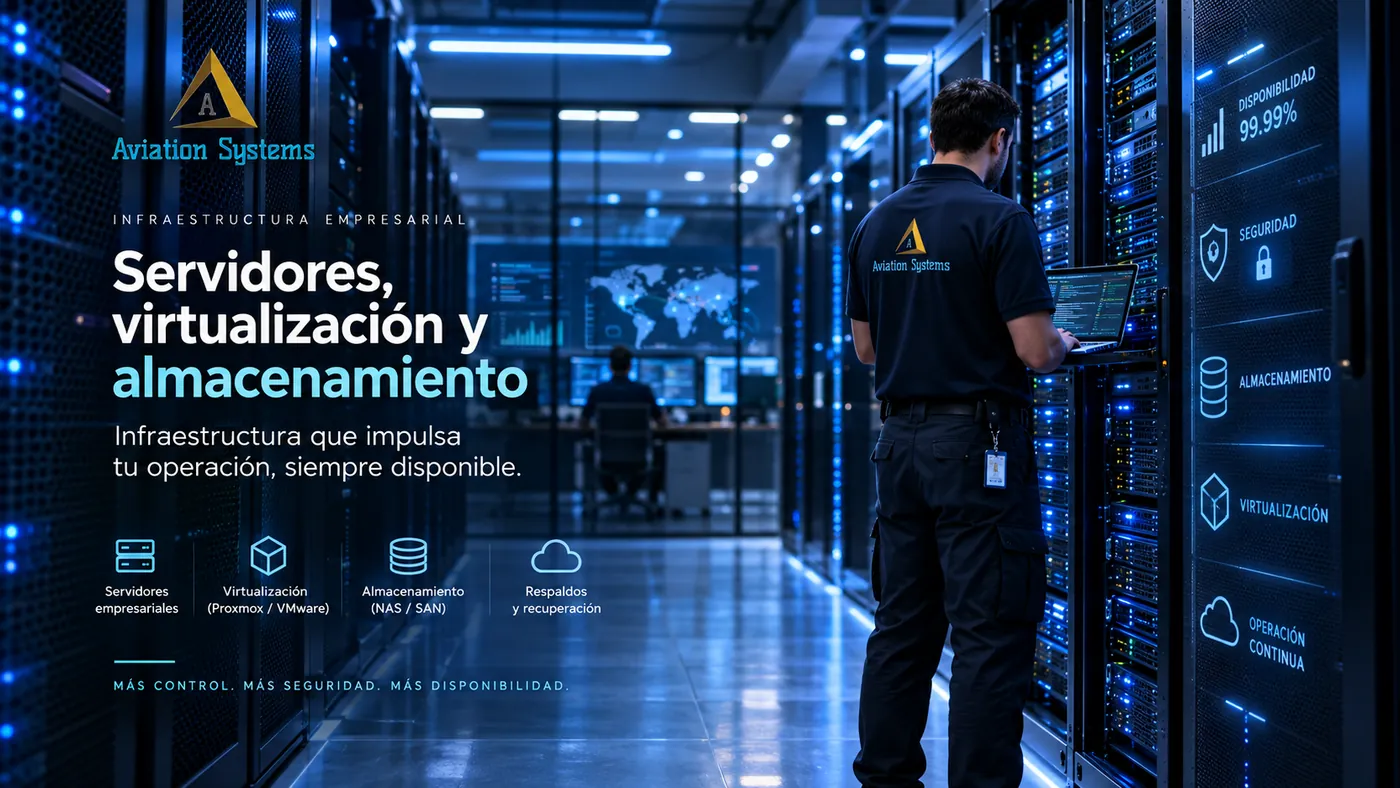
We design and implement infrastructure for applications, databases, files, virtualization, backup and business services. Sizing starts from the real workloads, expected growth, availability and the recovery capability you need.
Not every project needs the same server or the same level of redundancy. We review applications, users, databases, storage, growth, backup, network and criticality before defining processors, memory, disks, hypervisor and architecture.
 01Business serversPhysical servers for applications, databases, files and business operations.
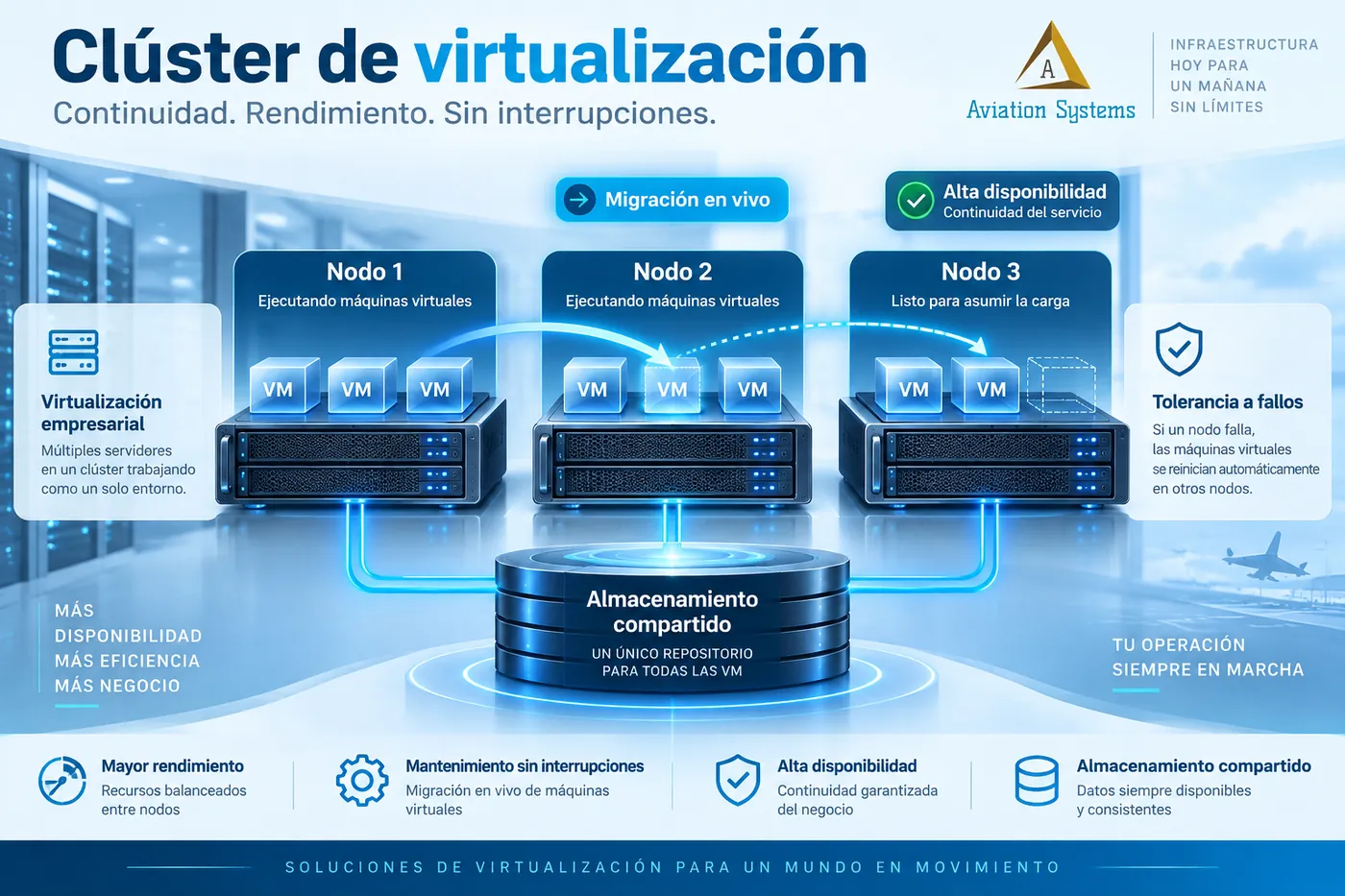
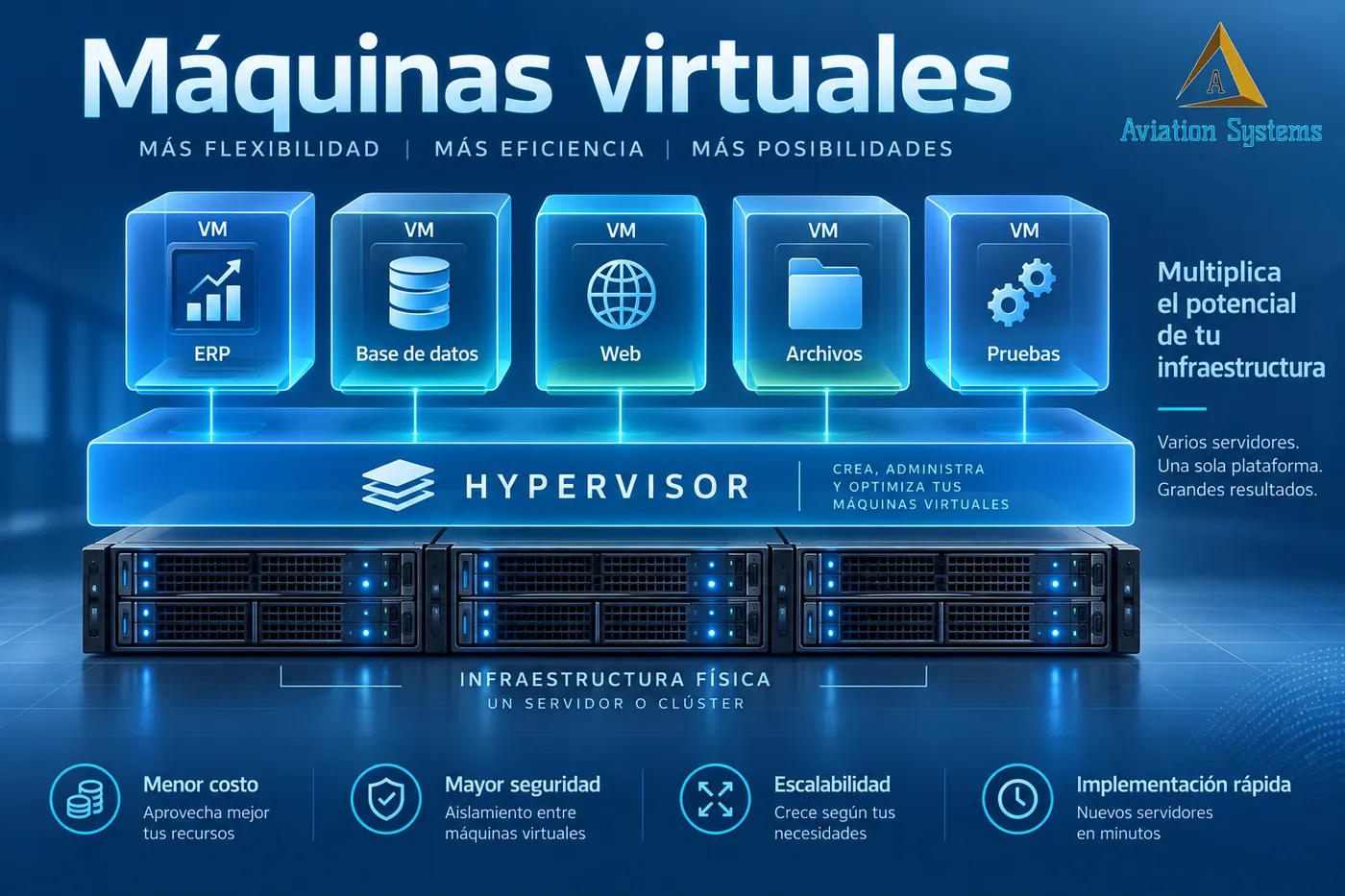
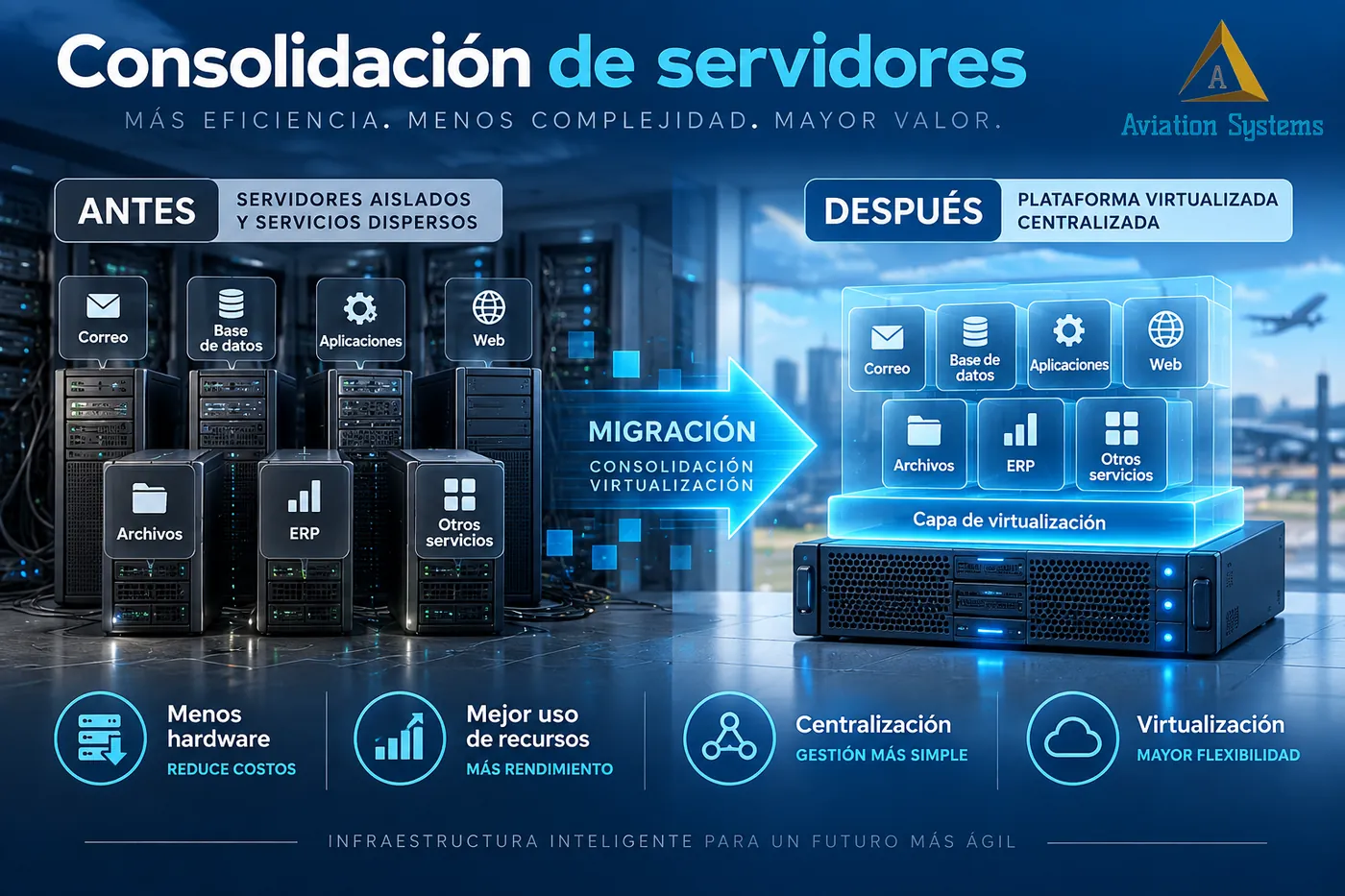
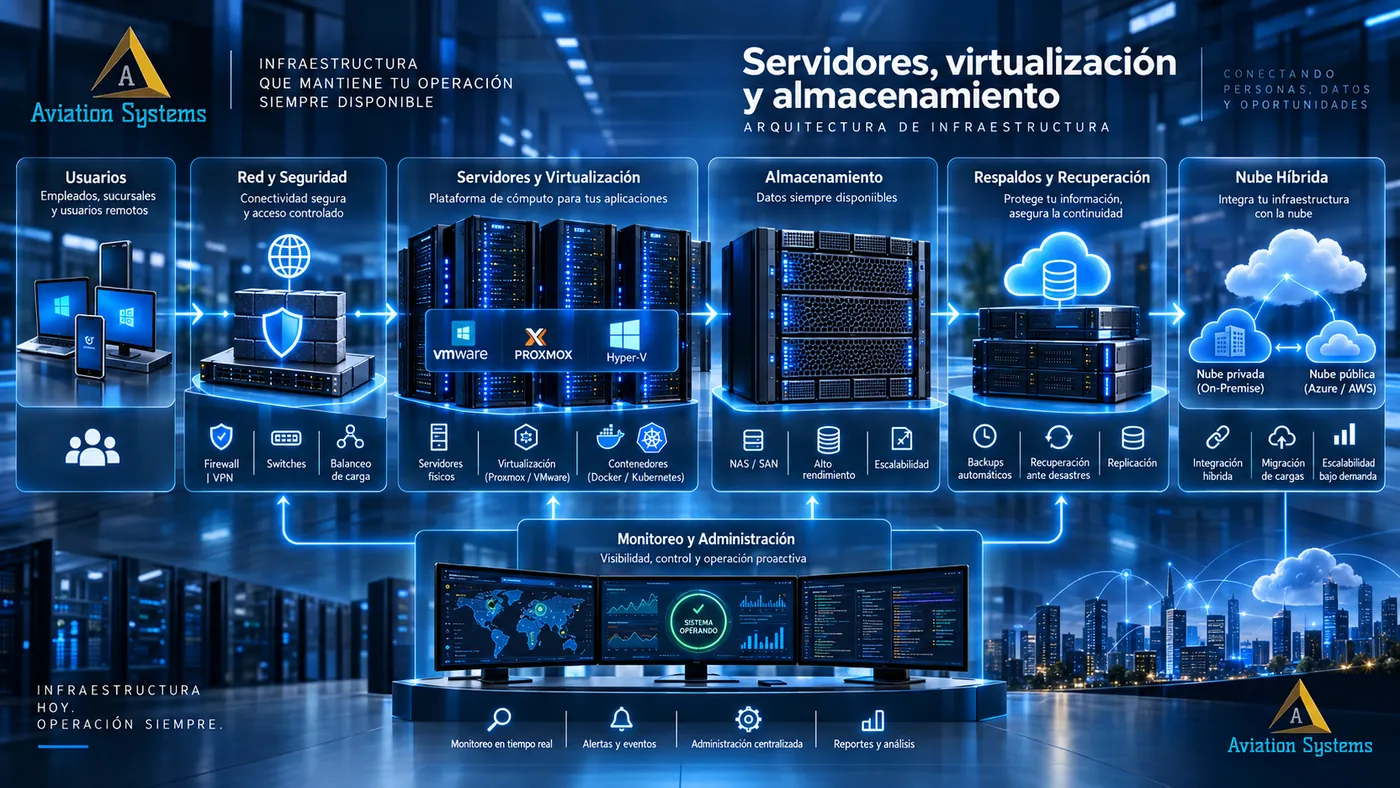
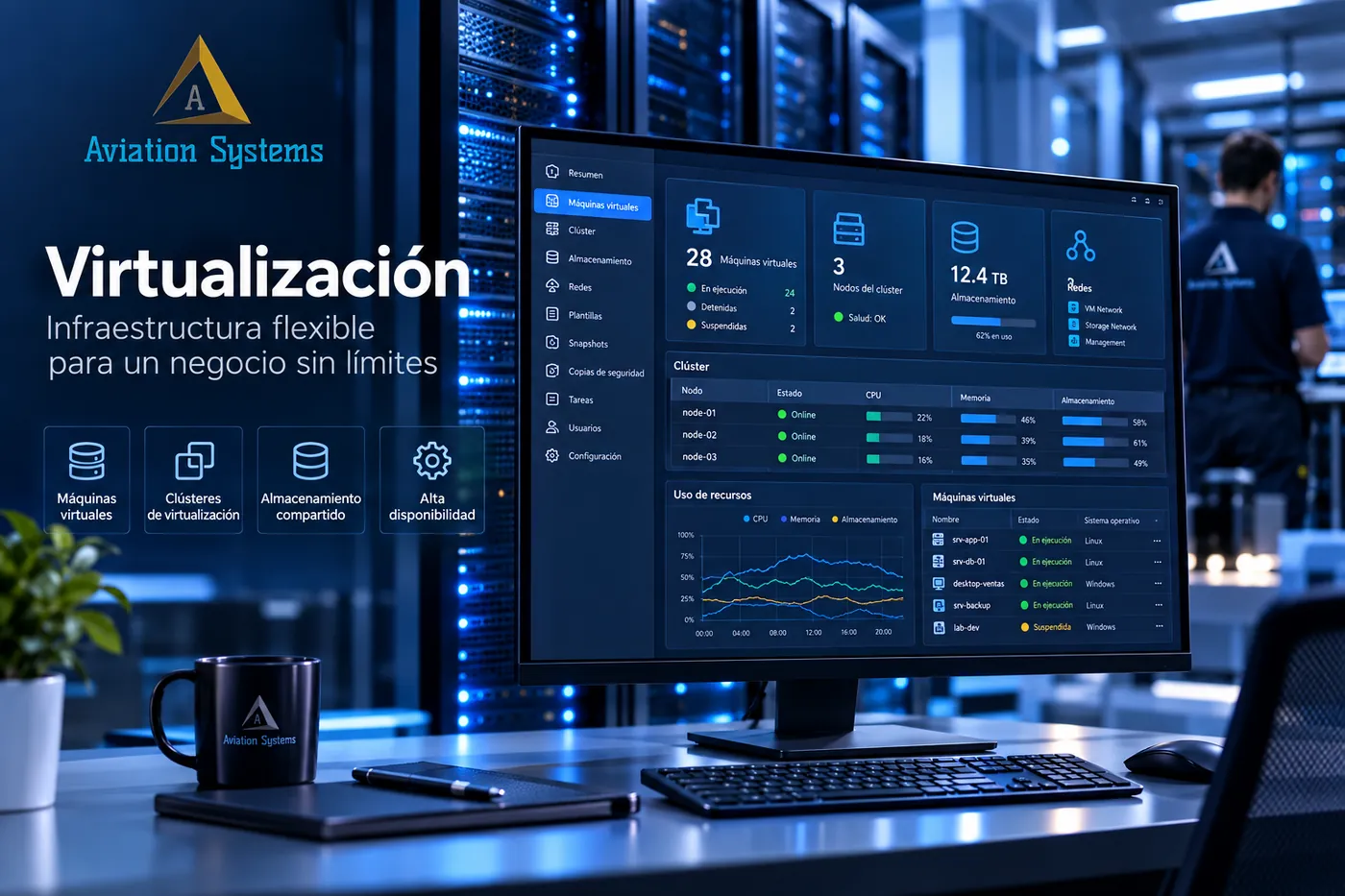 02VirtualizationProxmox VE, clusters, virtual machines and server consolidation.
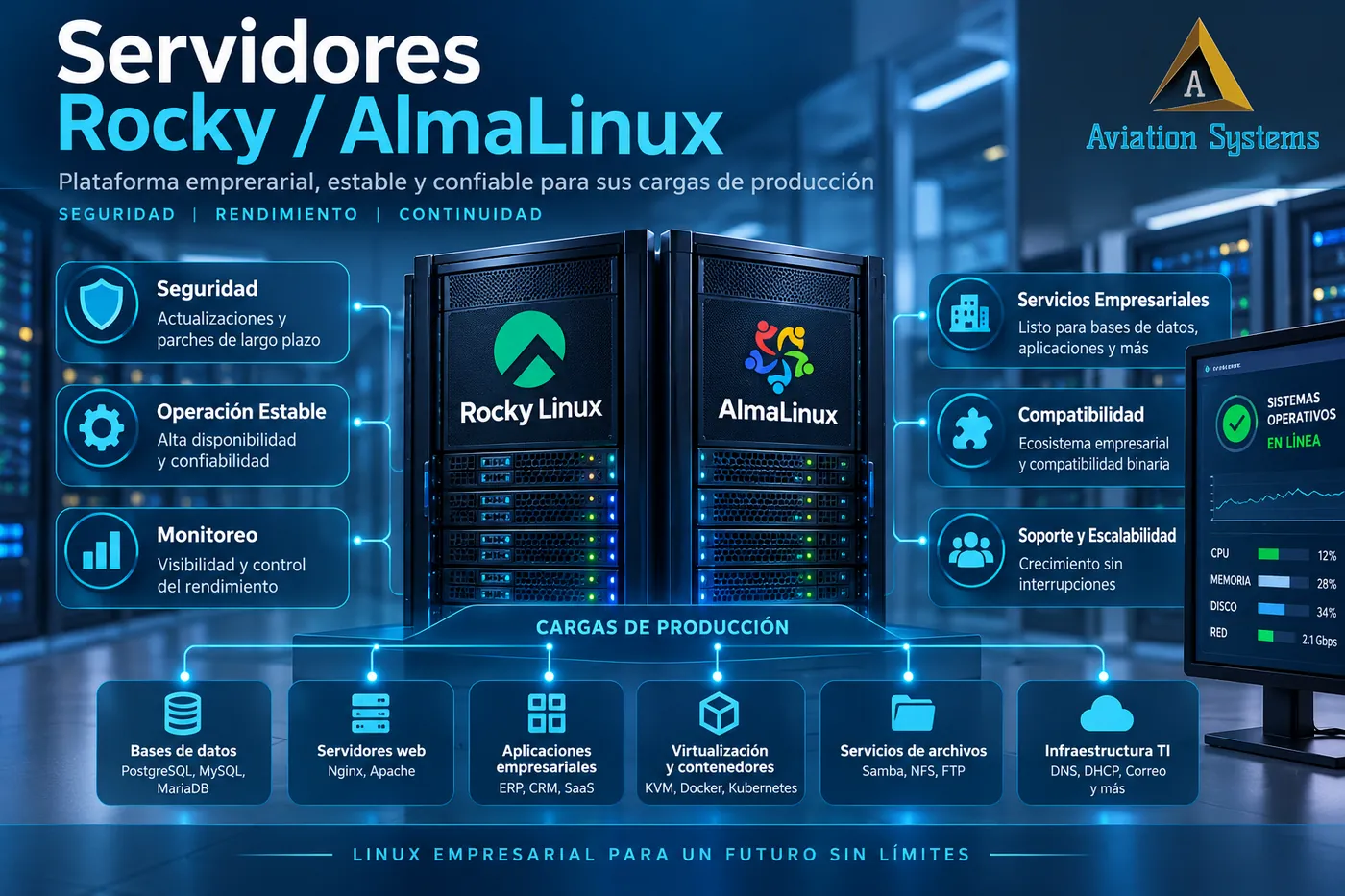
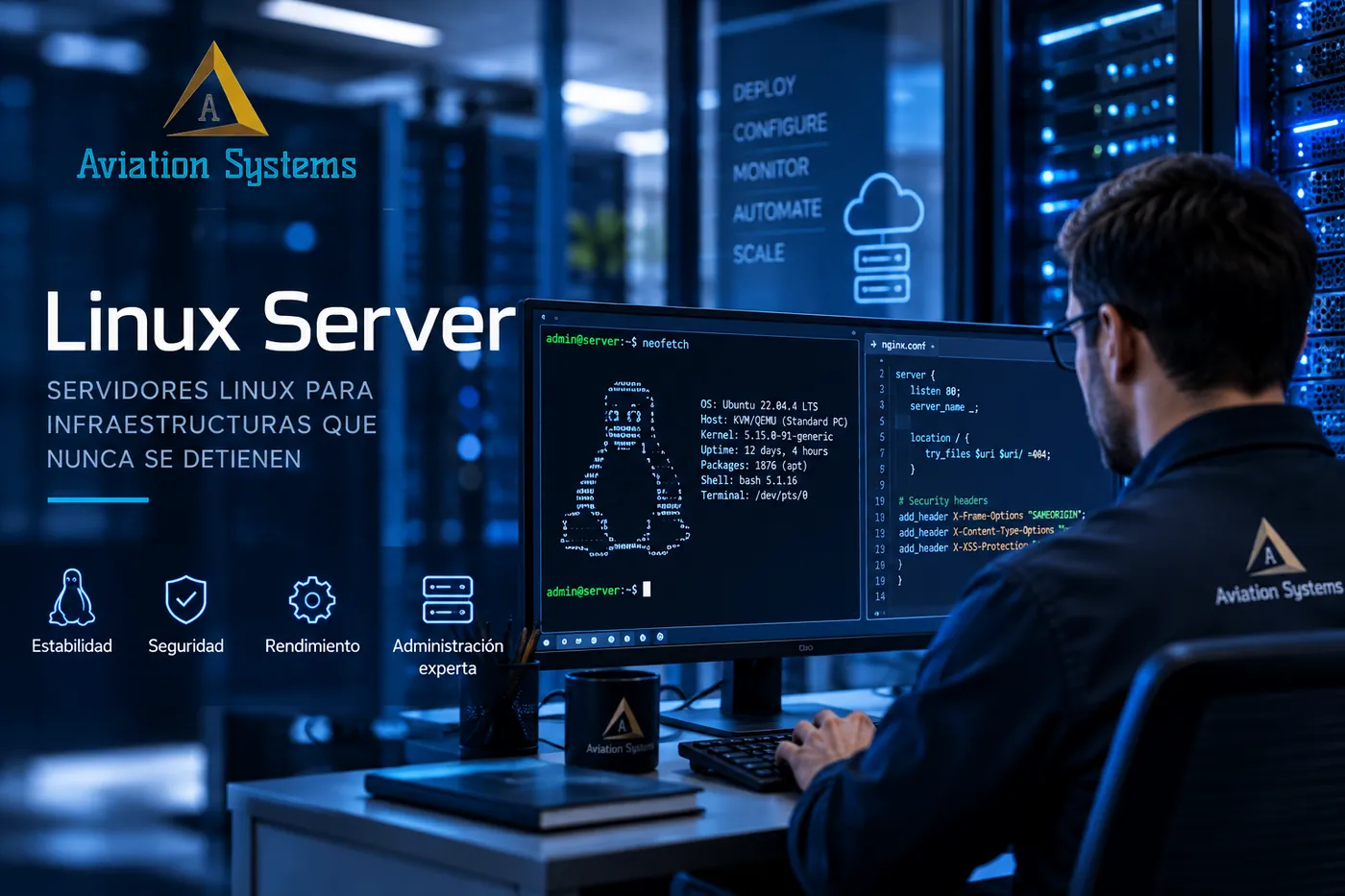 03Linux ServerUbuntu, Debian, Rocky Linux and AlmaLinux for business applications and services.
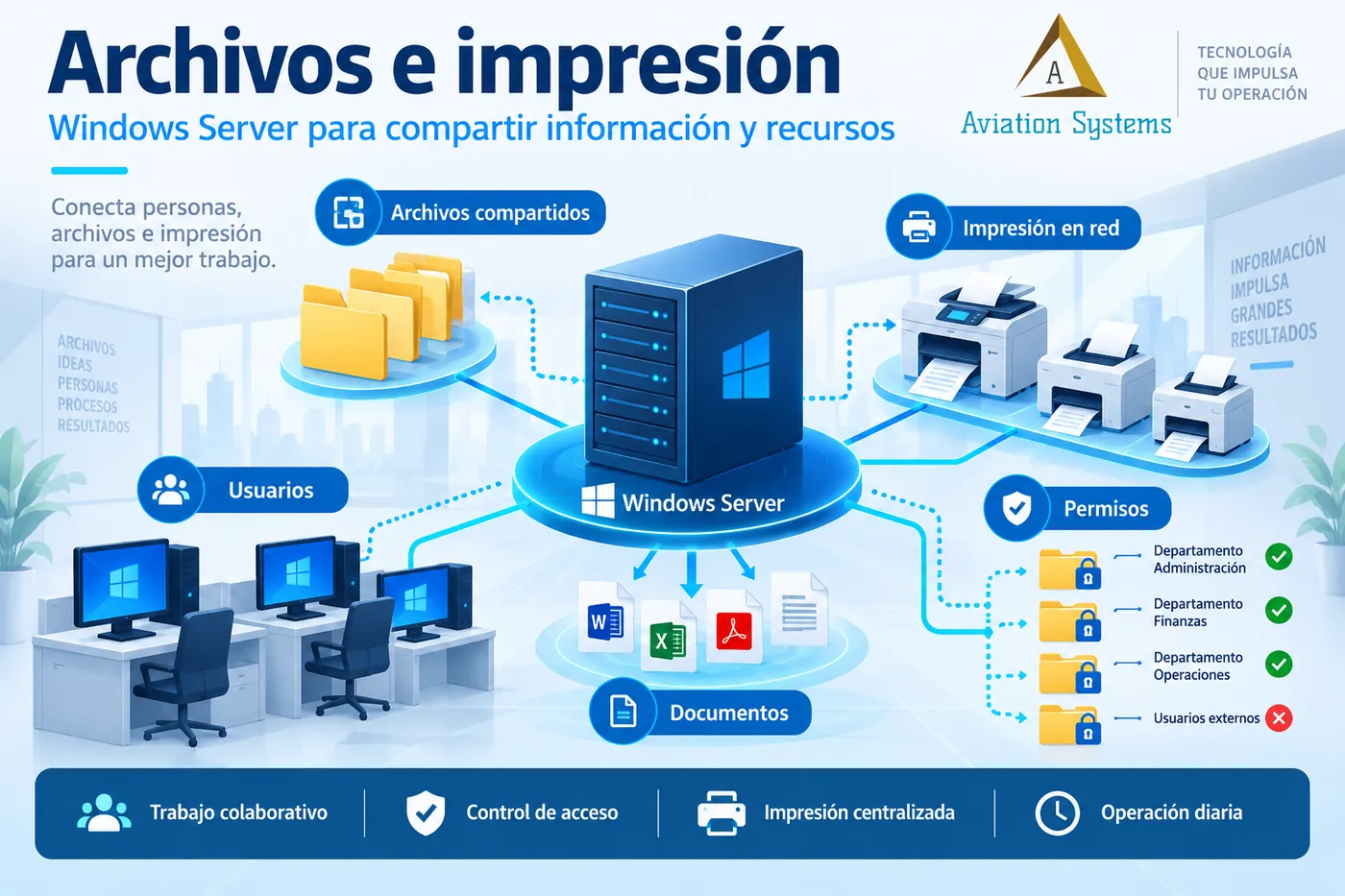
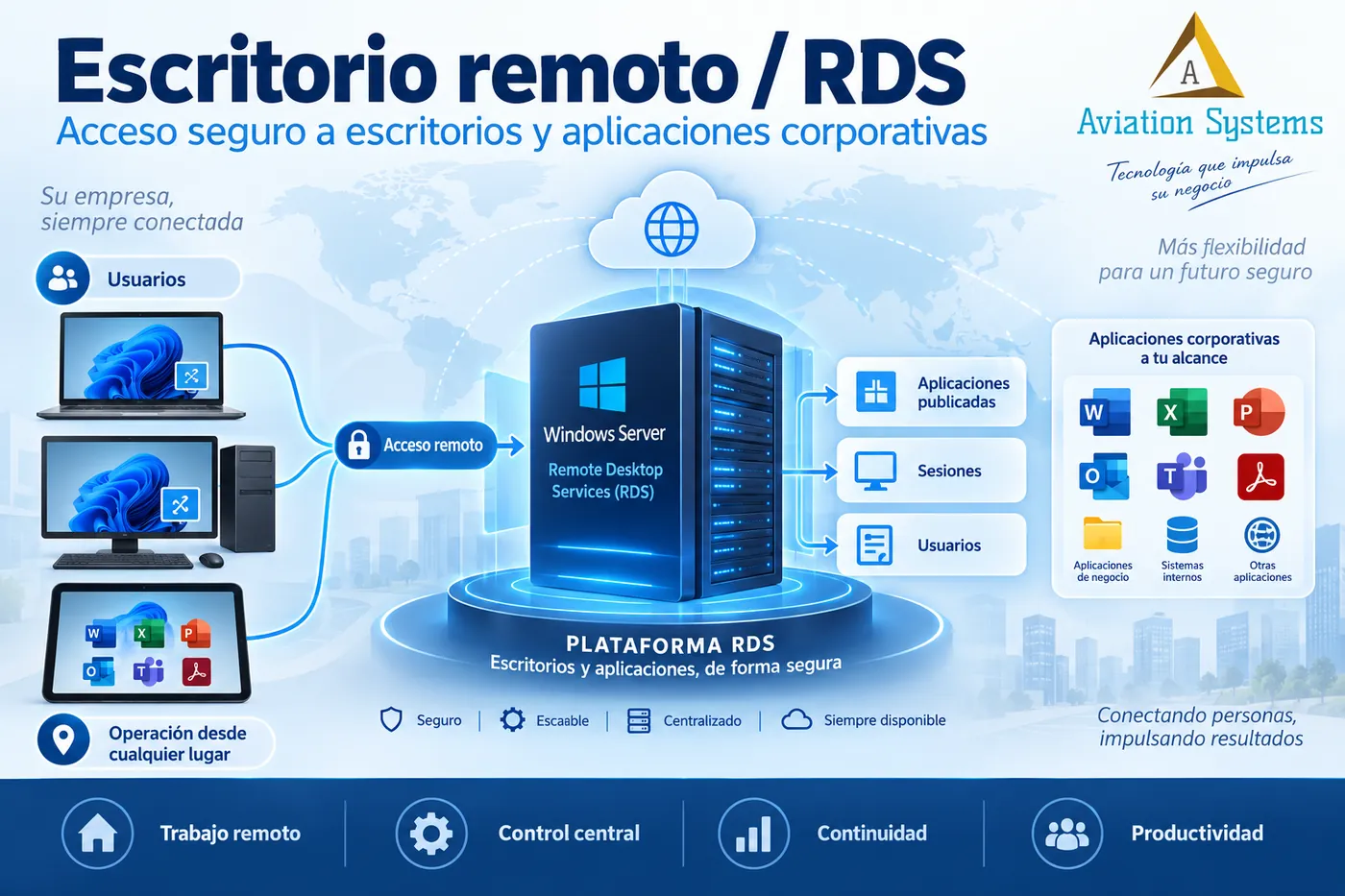
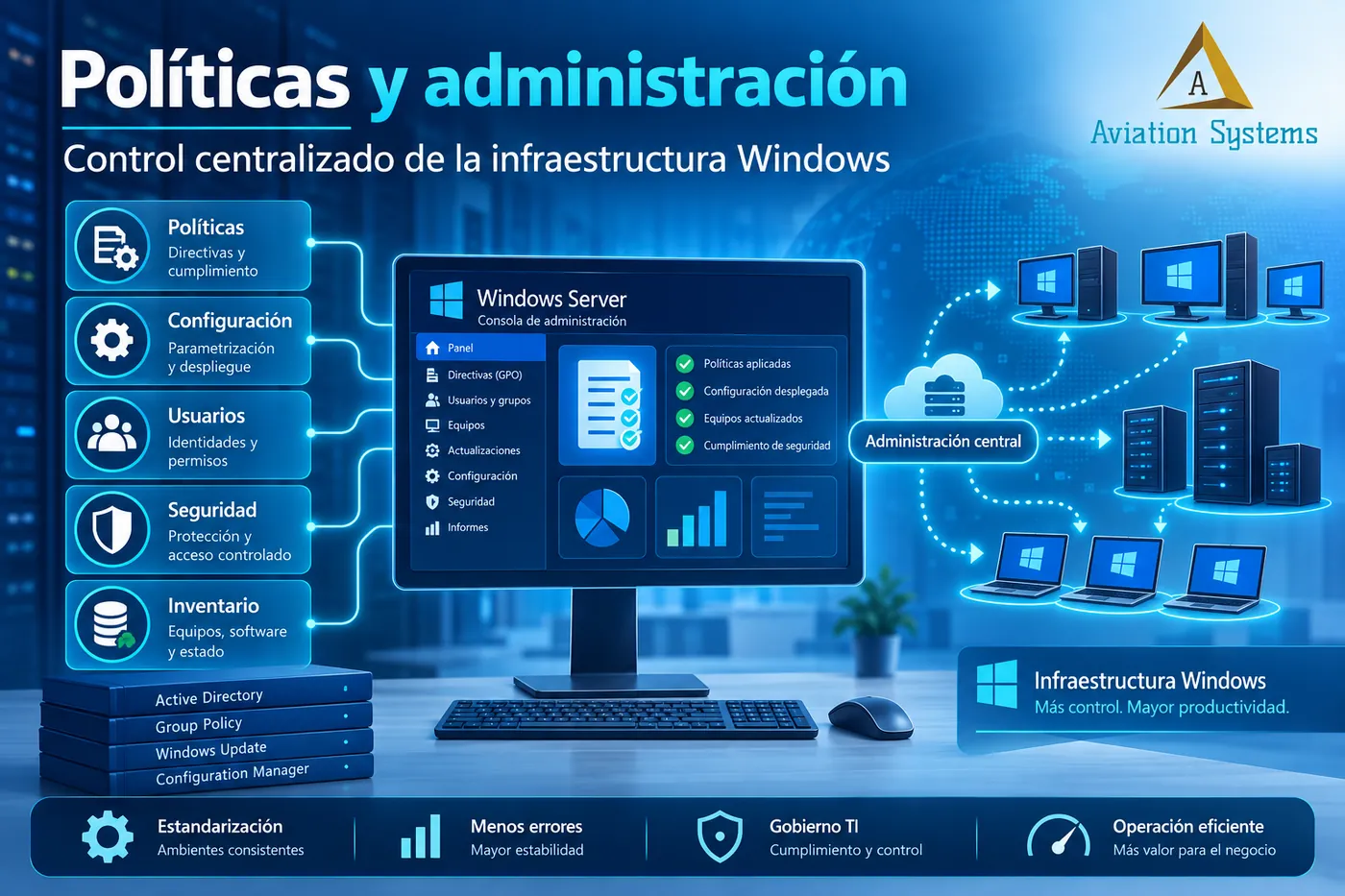
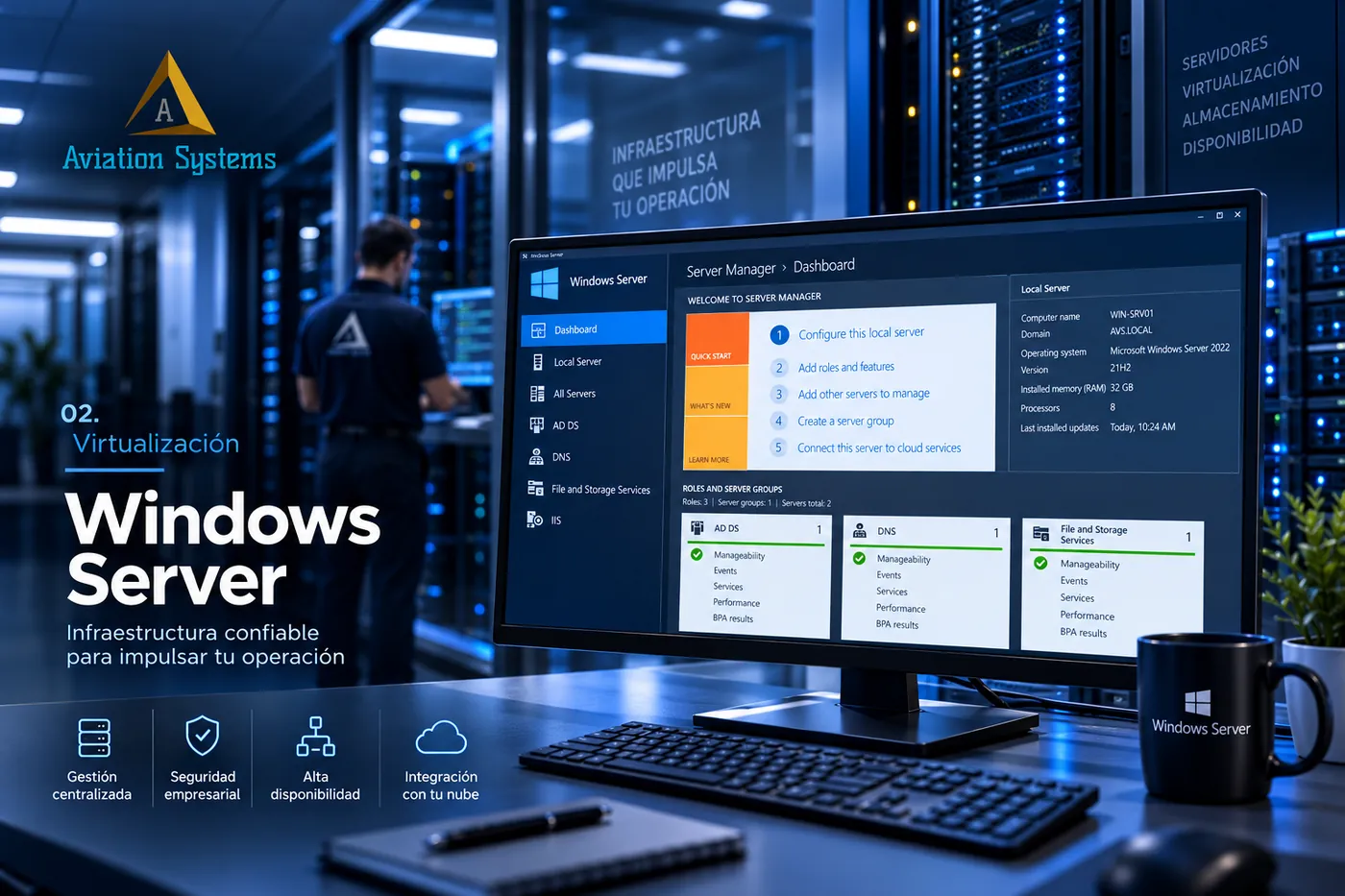 04Windows ServerDomain, file, print and RDS services with centralized administration.
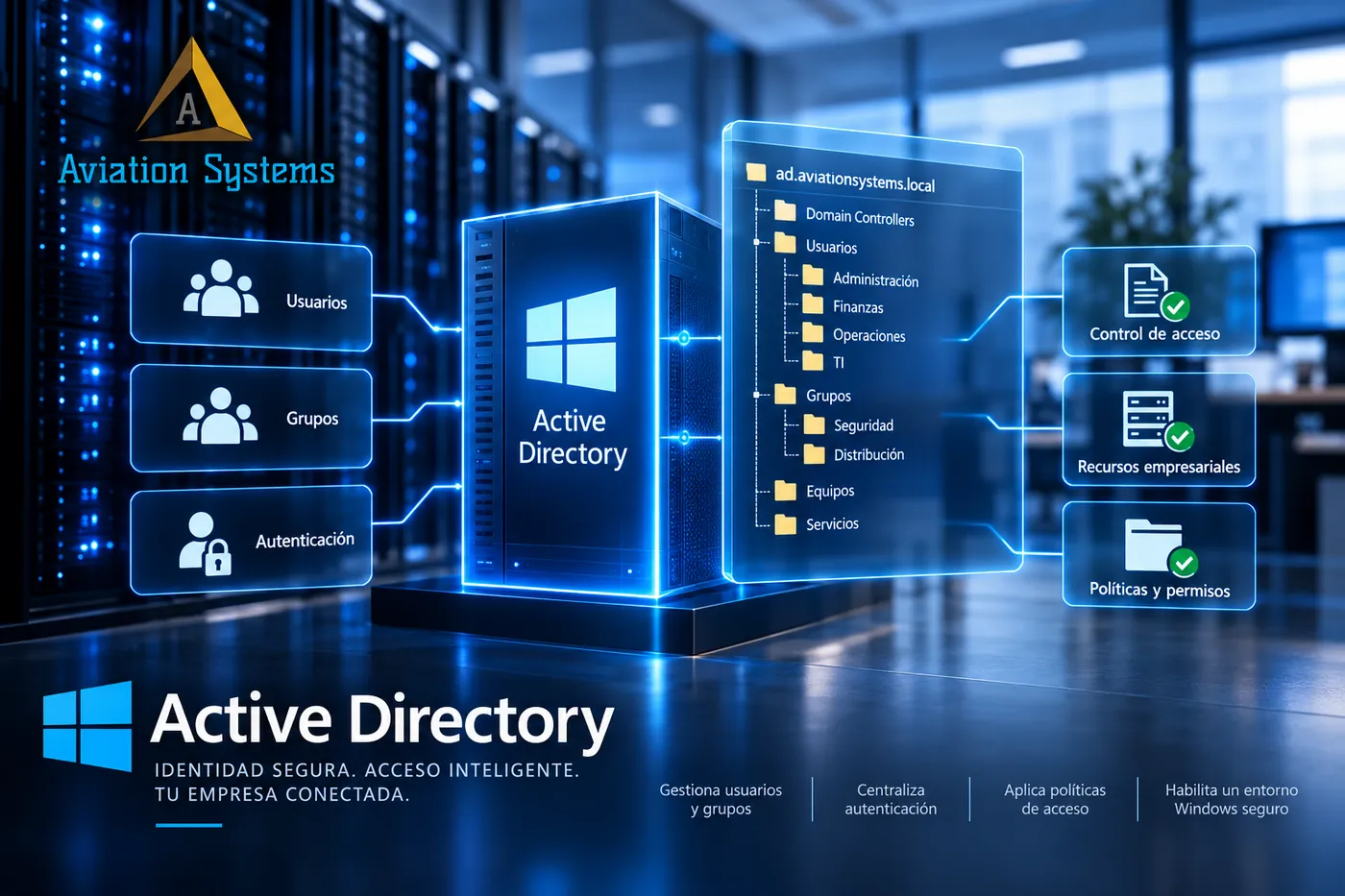 05Active DirectoryUsers, groups, organizational units, GPOs and centralized authentication.
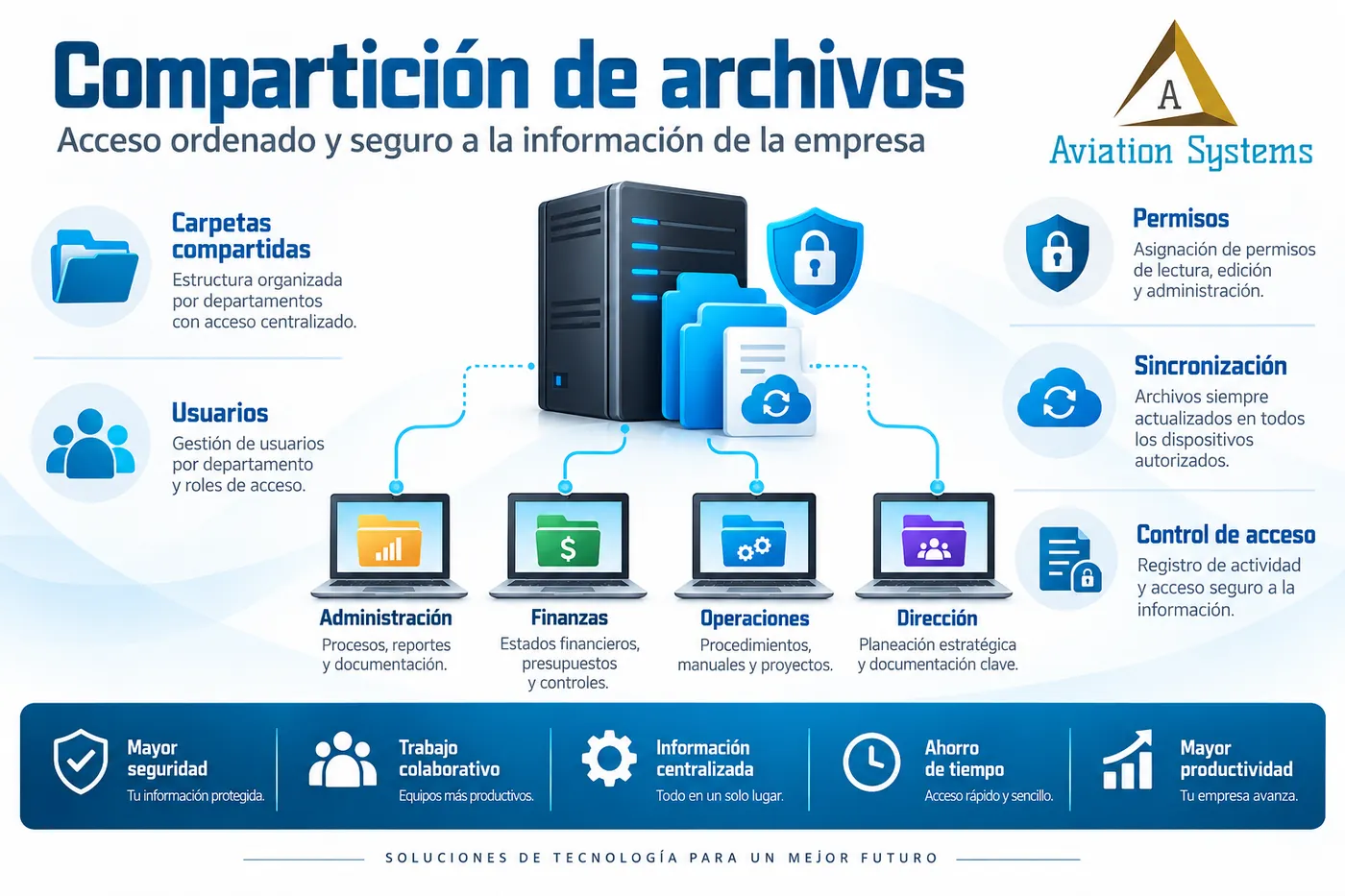
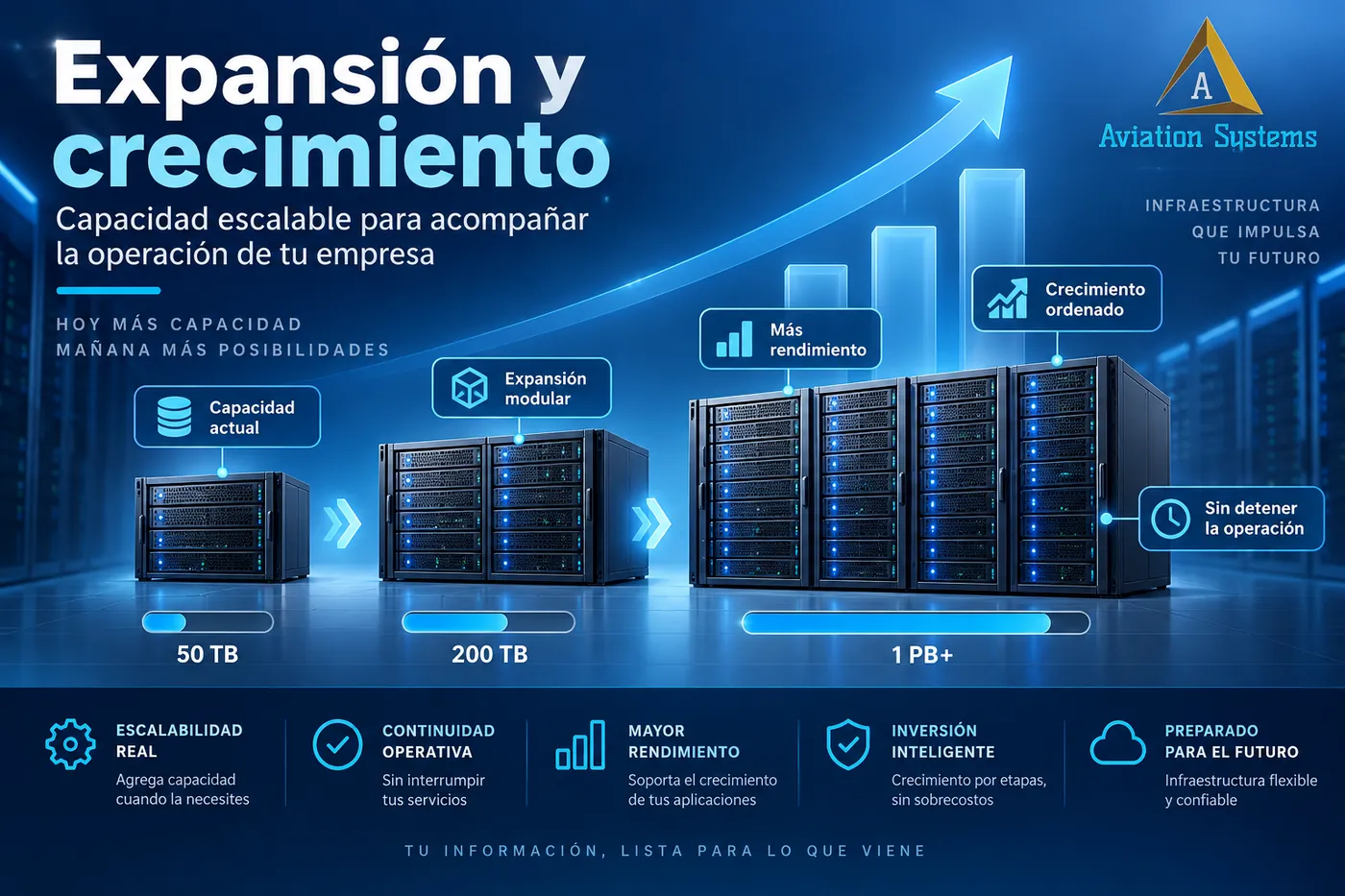
 06Enterprise storageNAS, SAN, file sharing and capacity expansion.
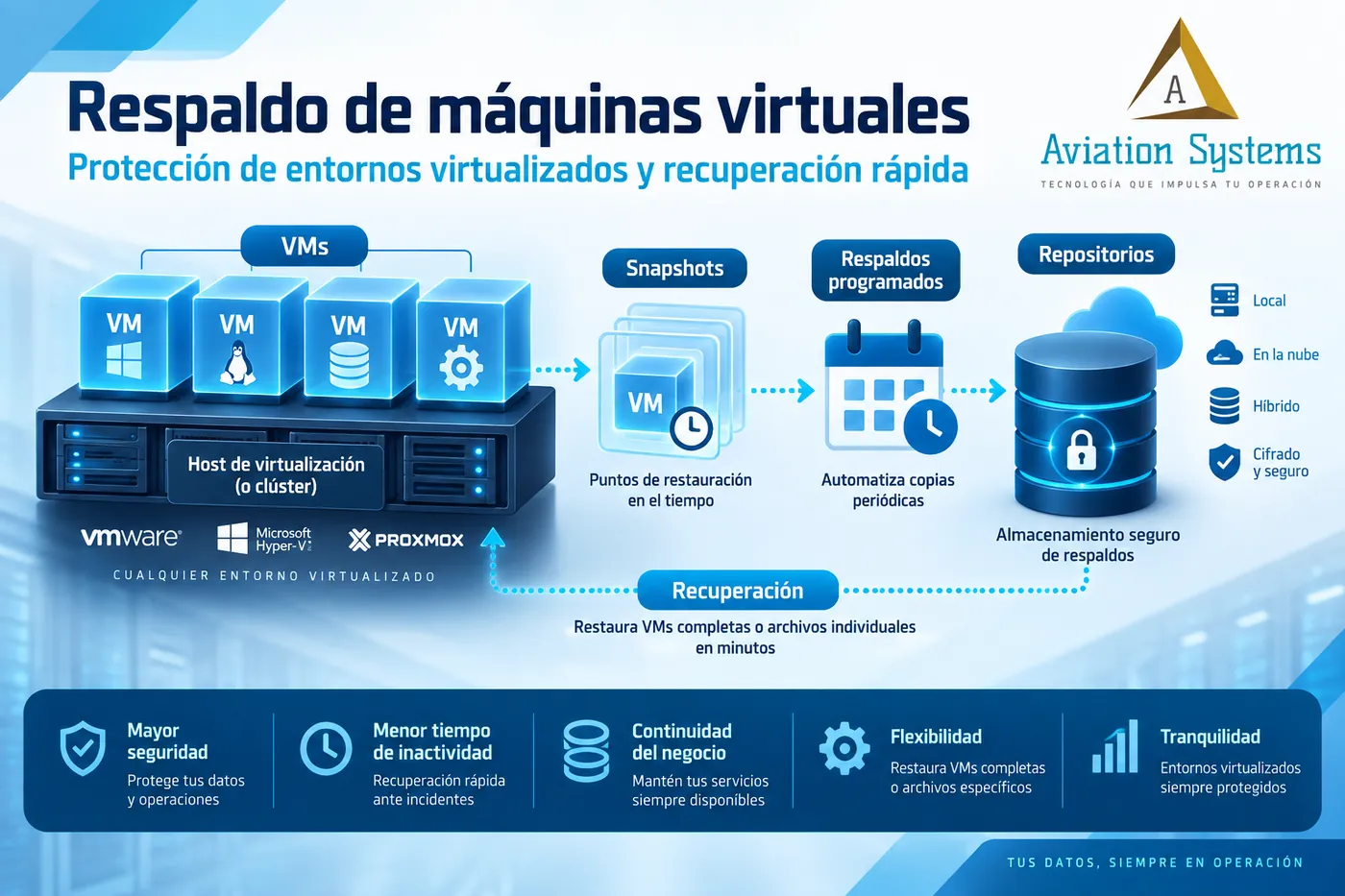
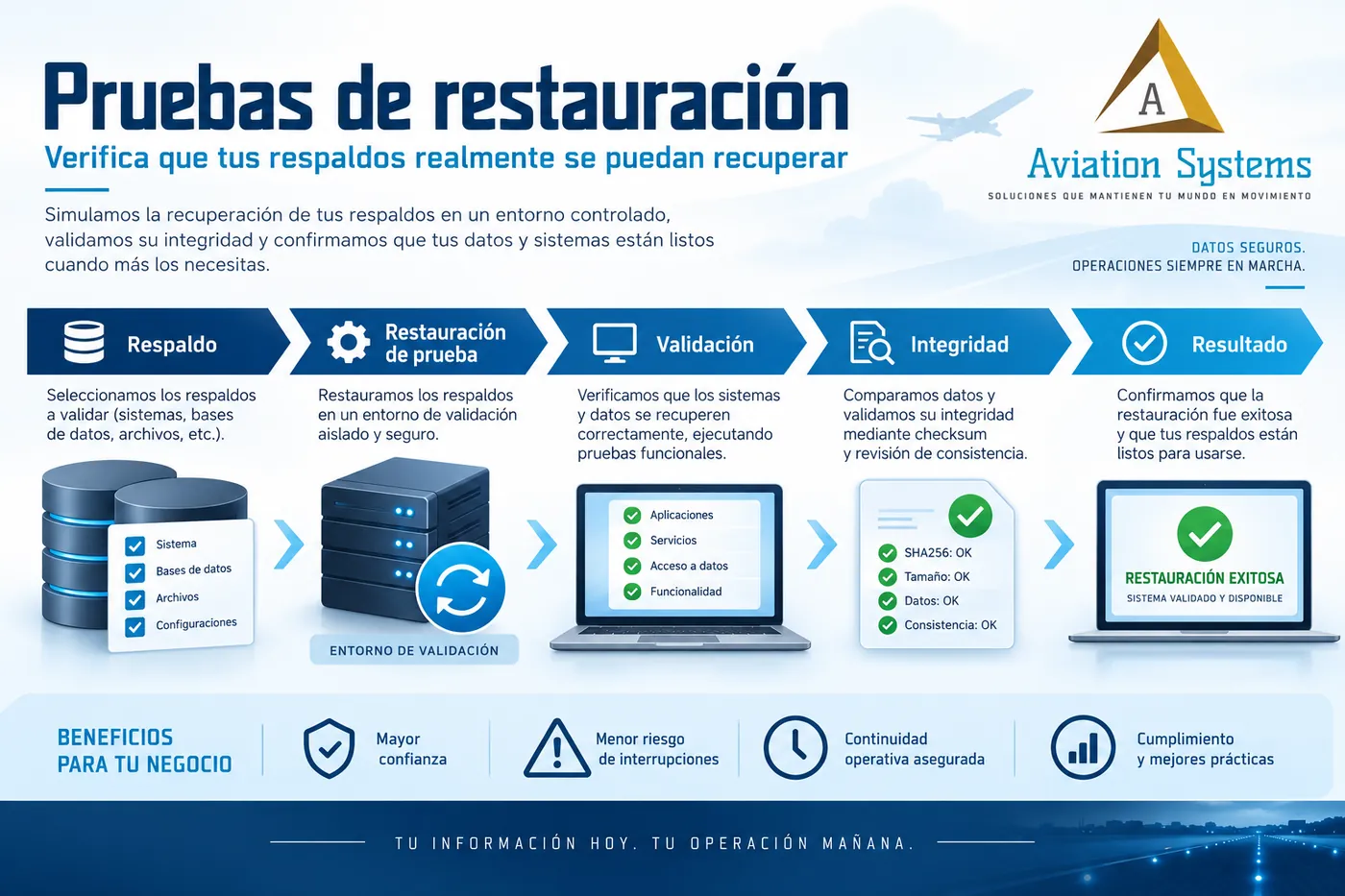
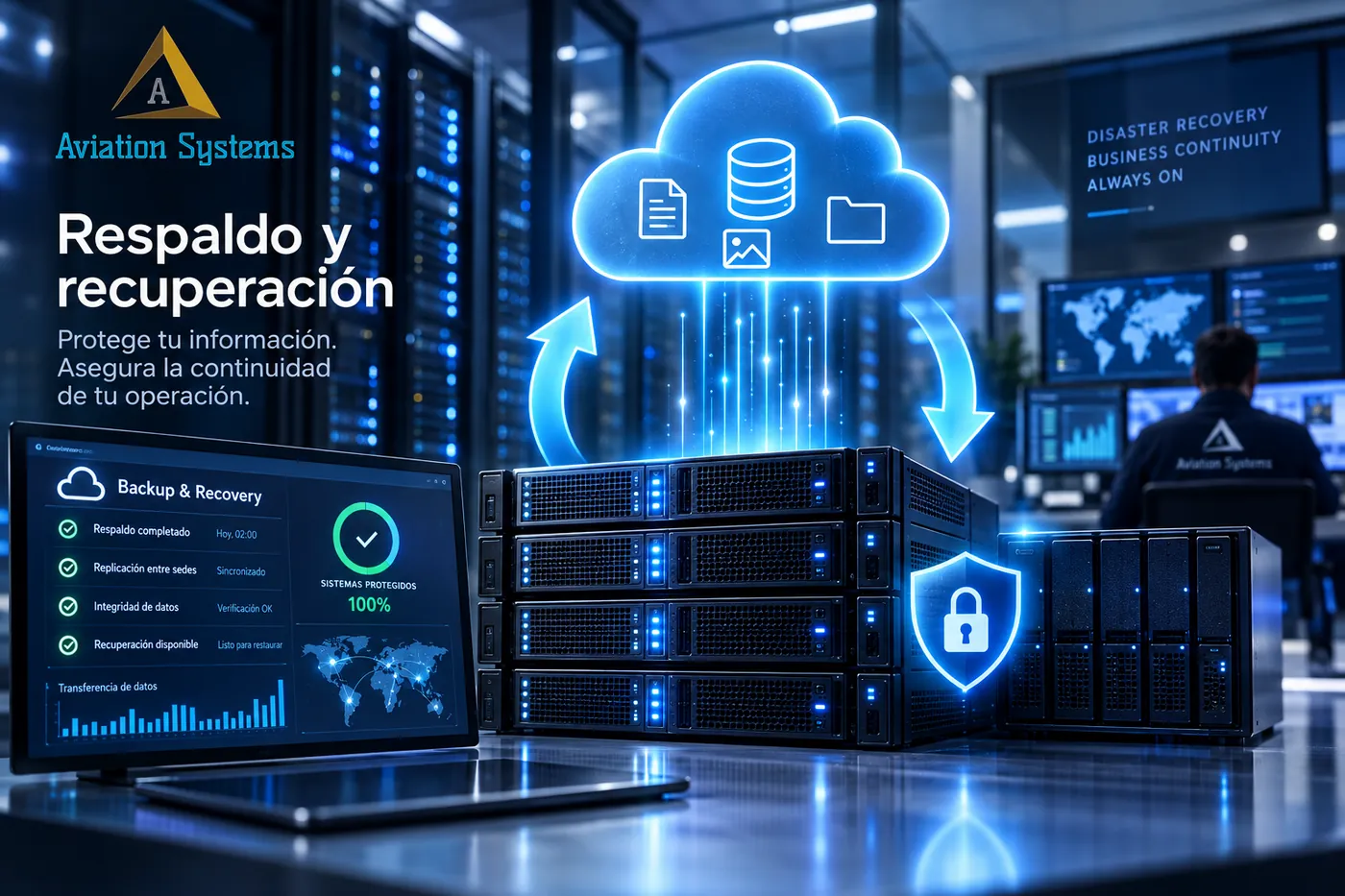 07Backup and recovery3-2-1 strategy, VM backup, recovery and restore testing.
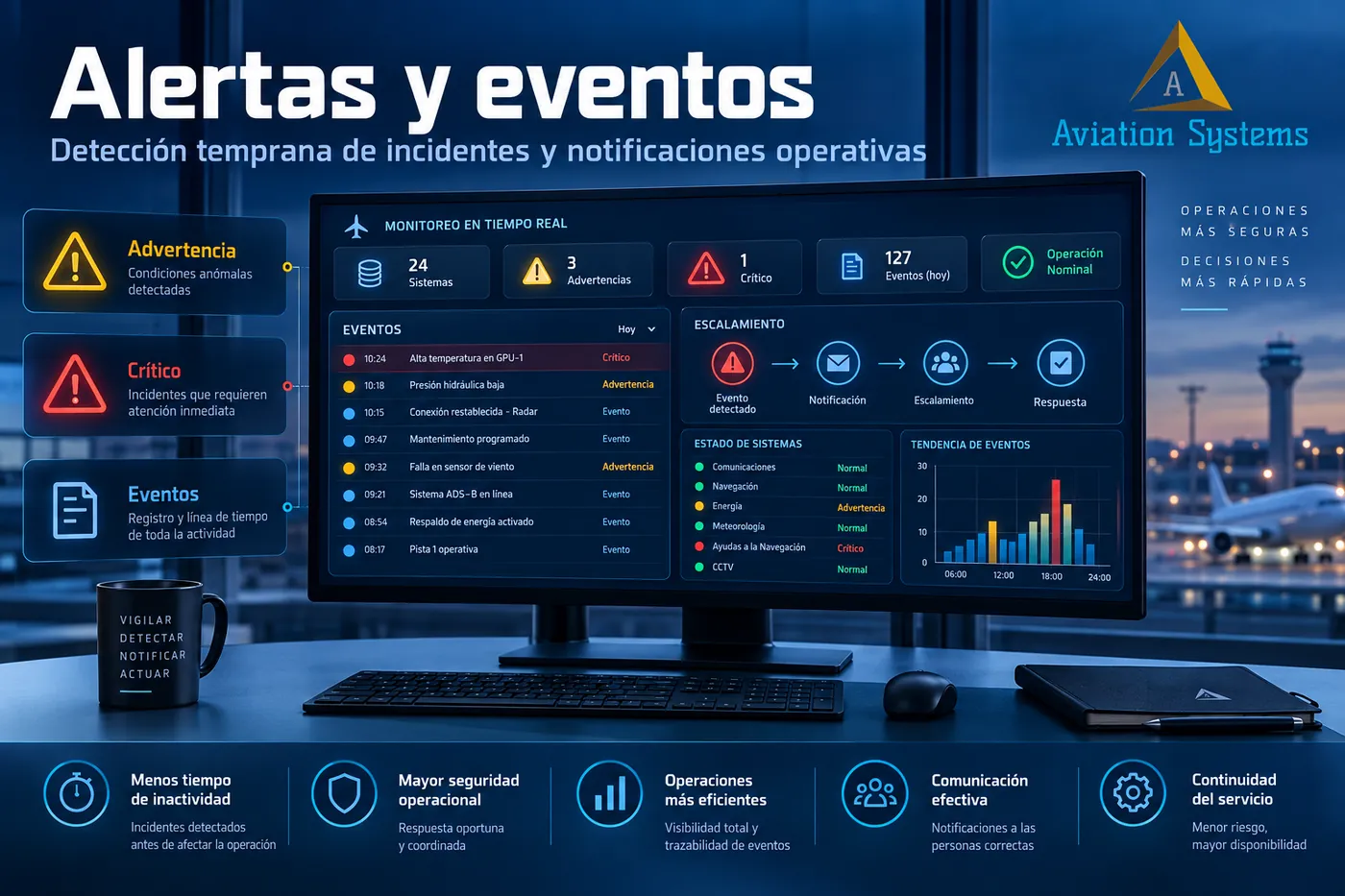
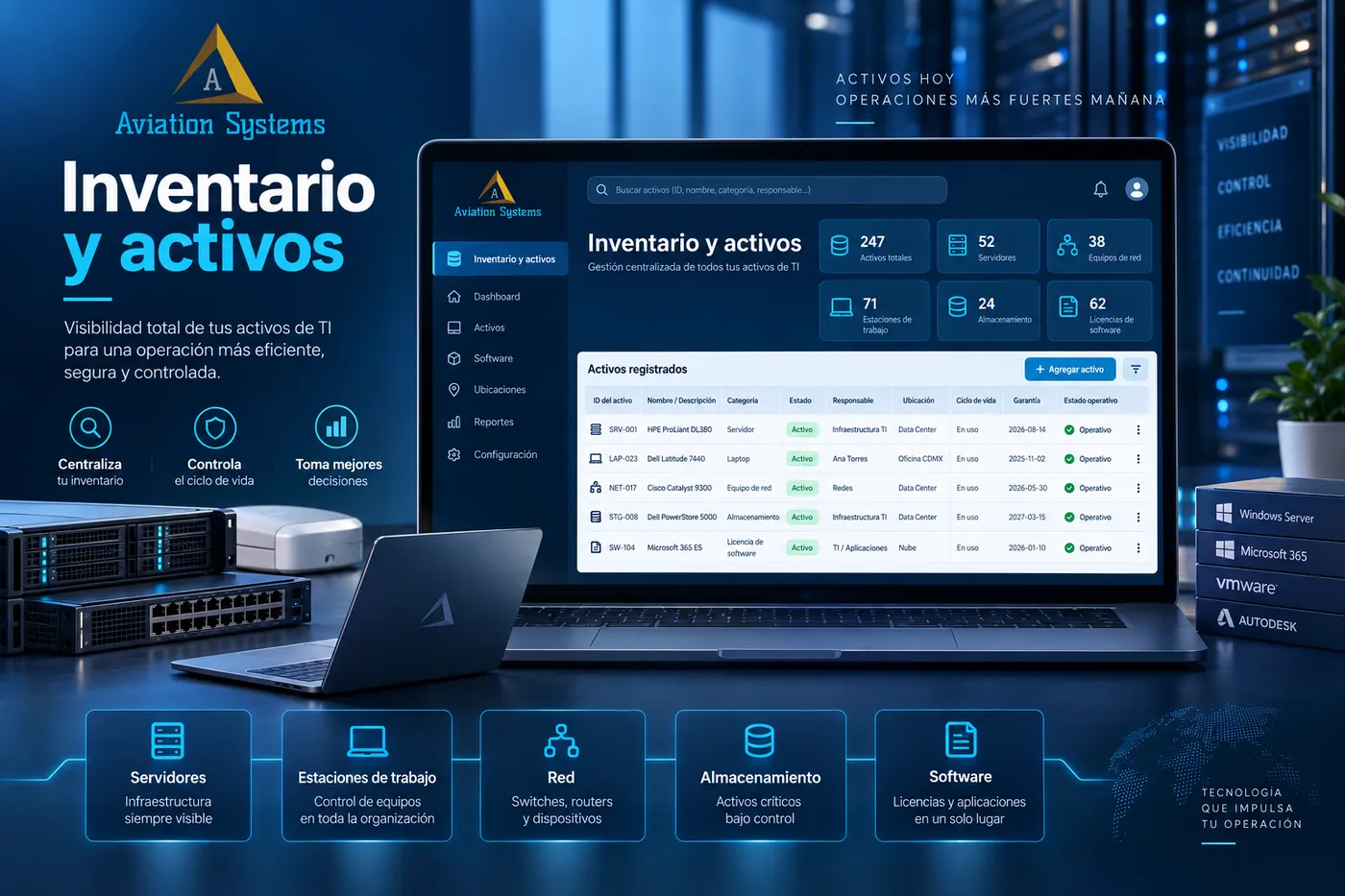
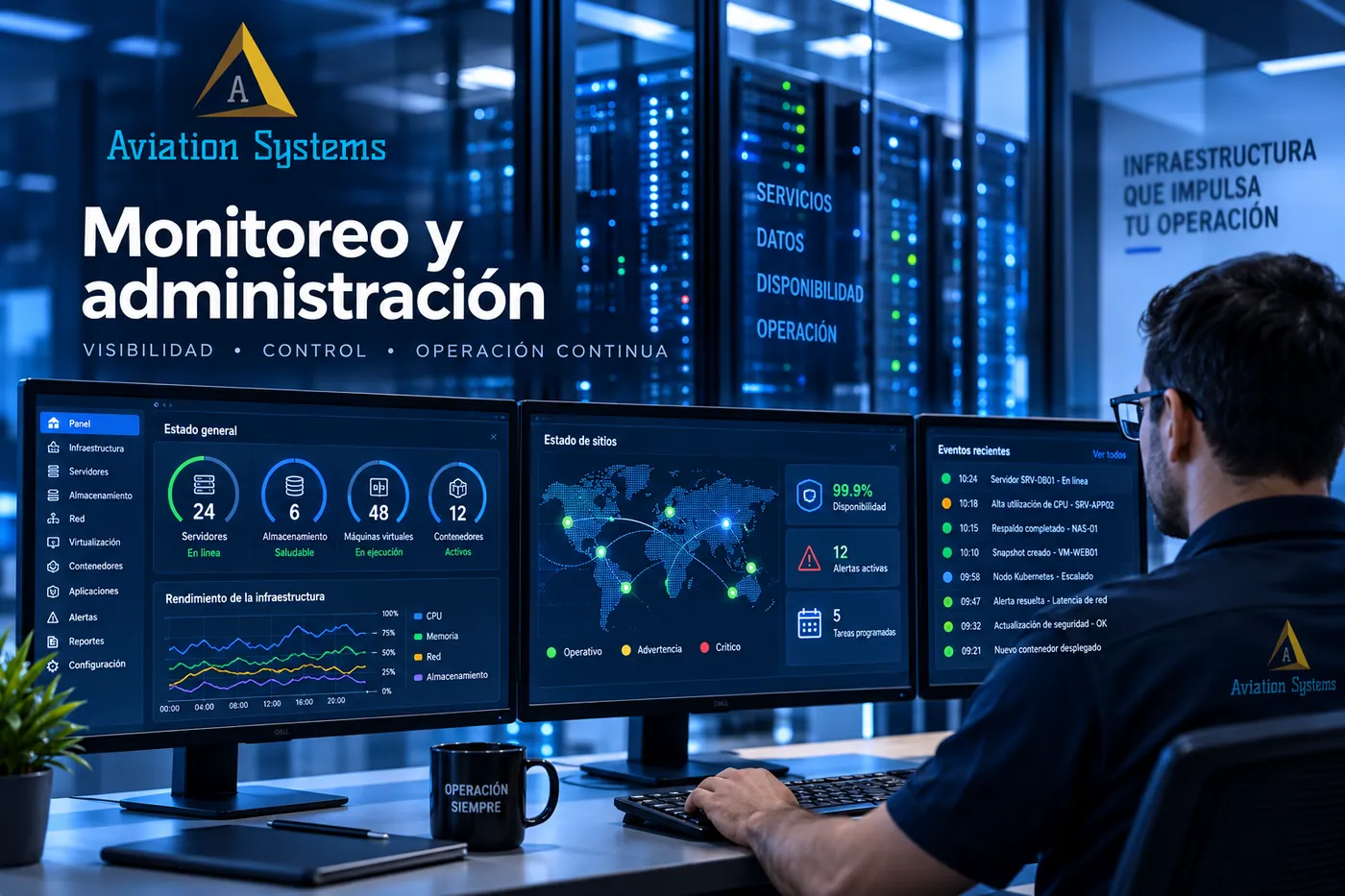 08Monitoring and administrationDashboards, alerts, asset inventory and remote administration.
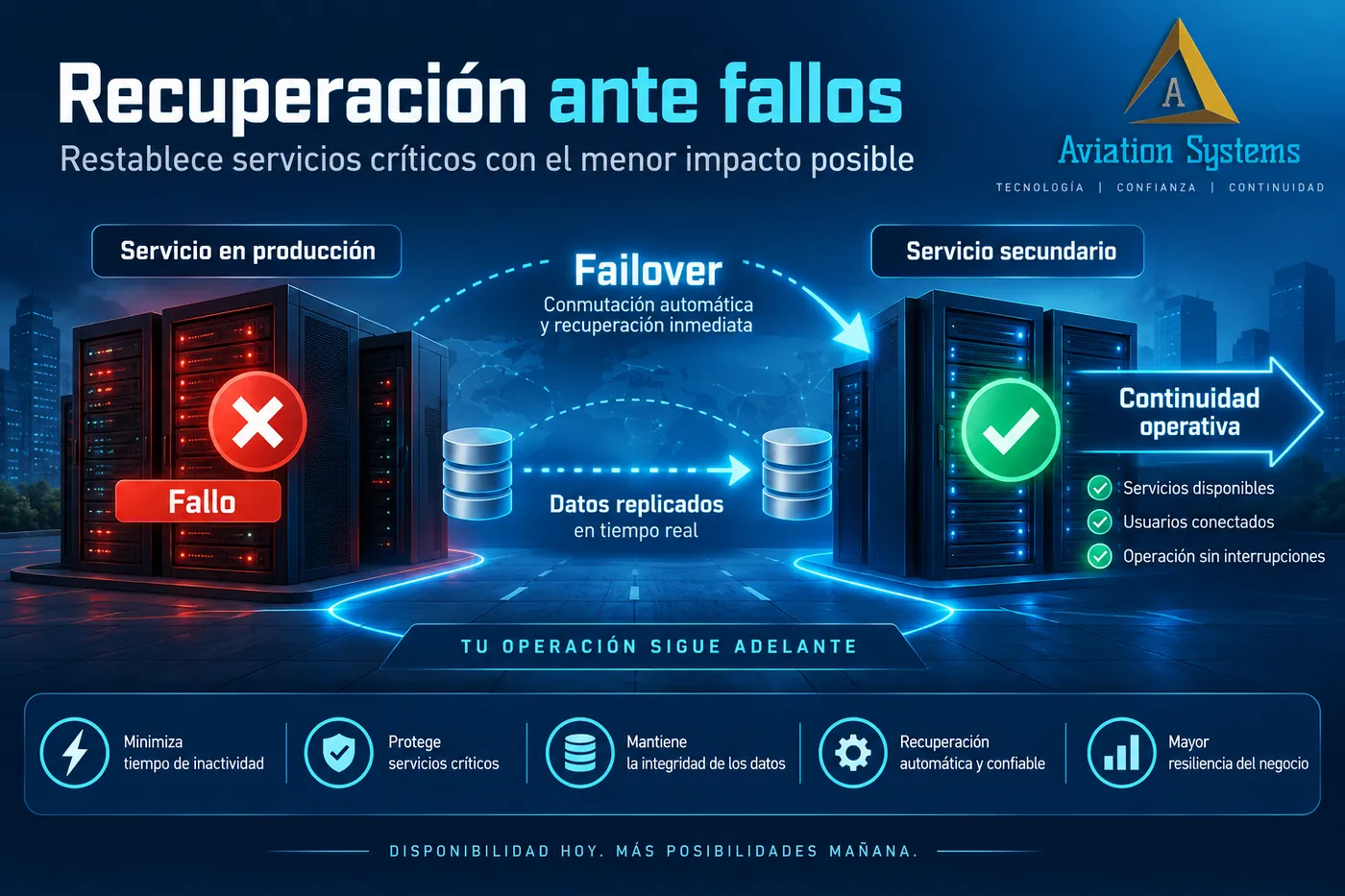
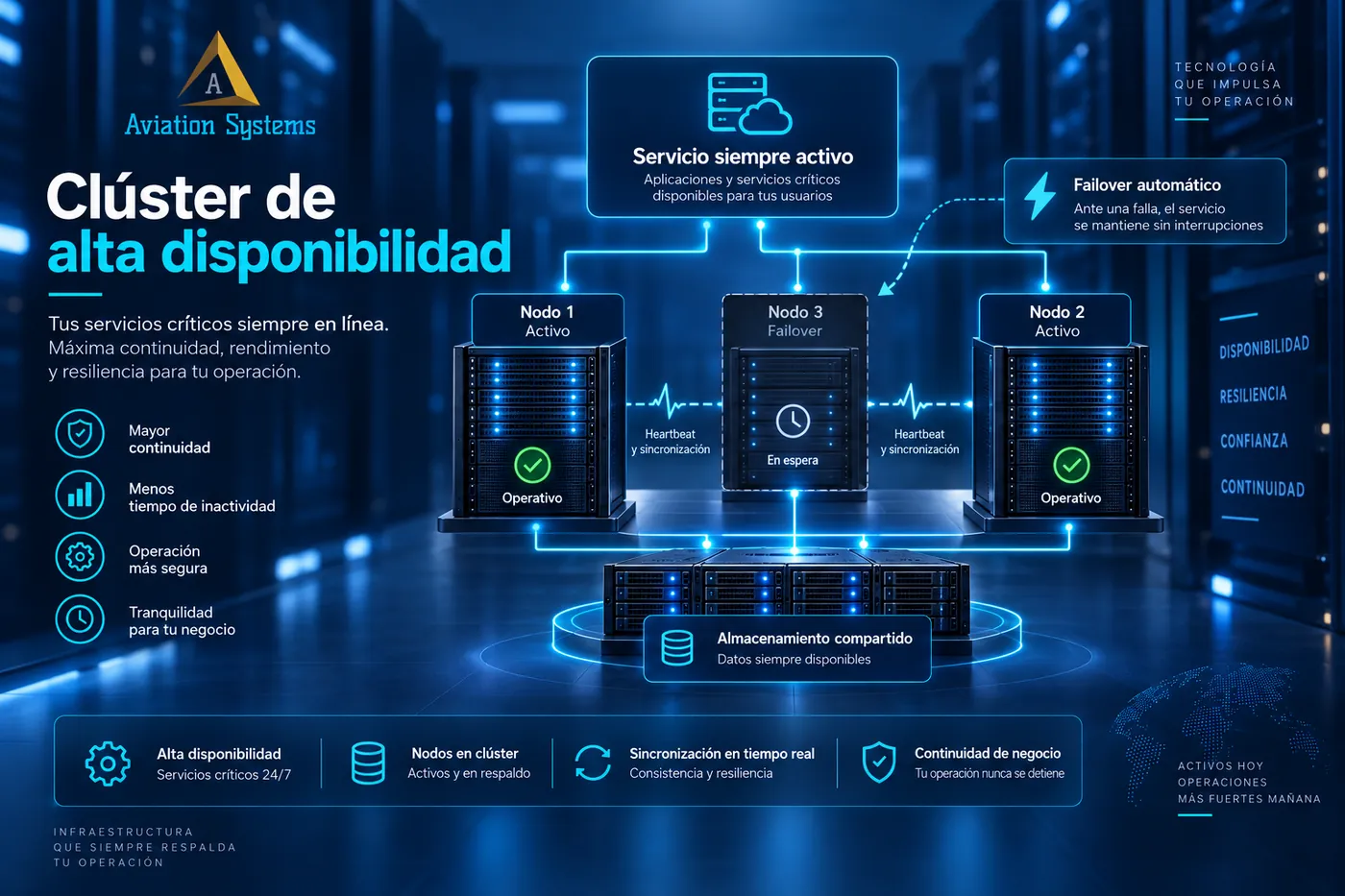
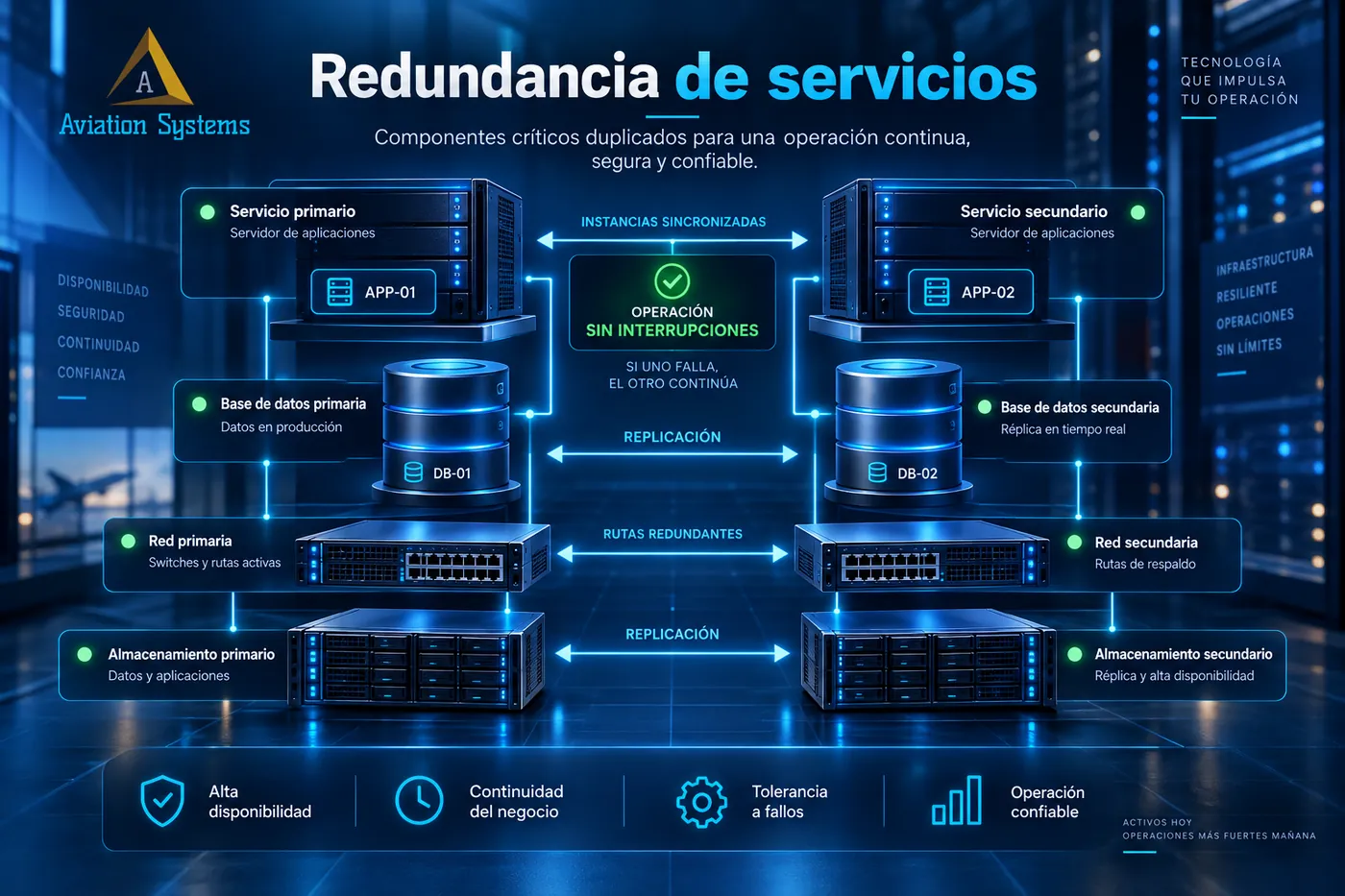
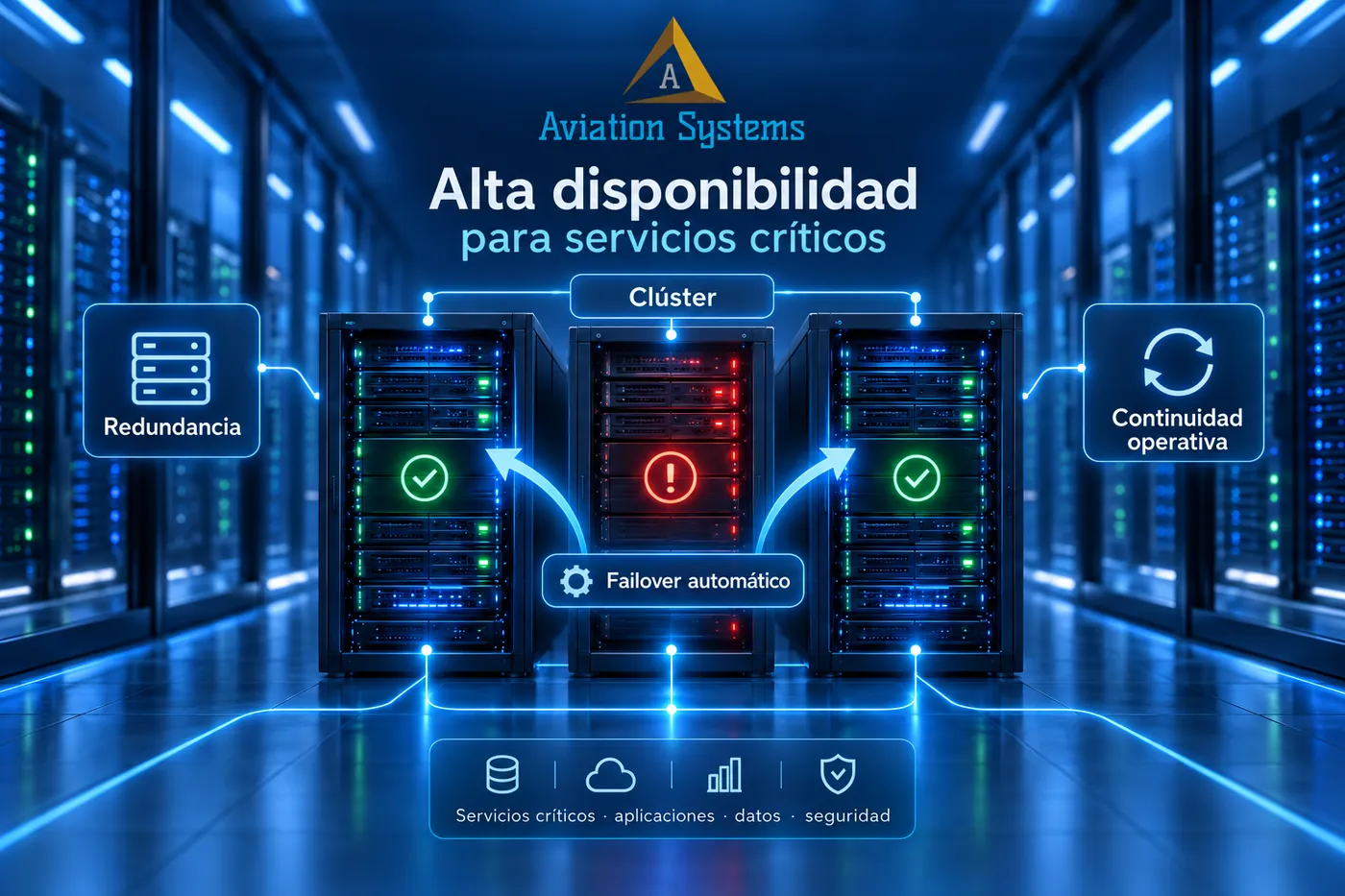 09High availabilityClusters, load balancing, redundancy and operational continuity.
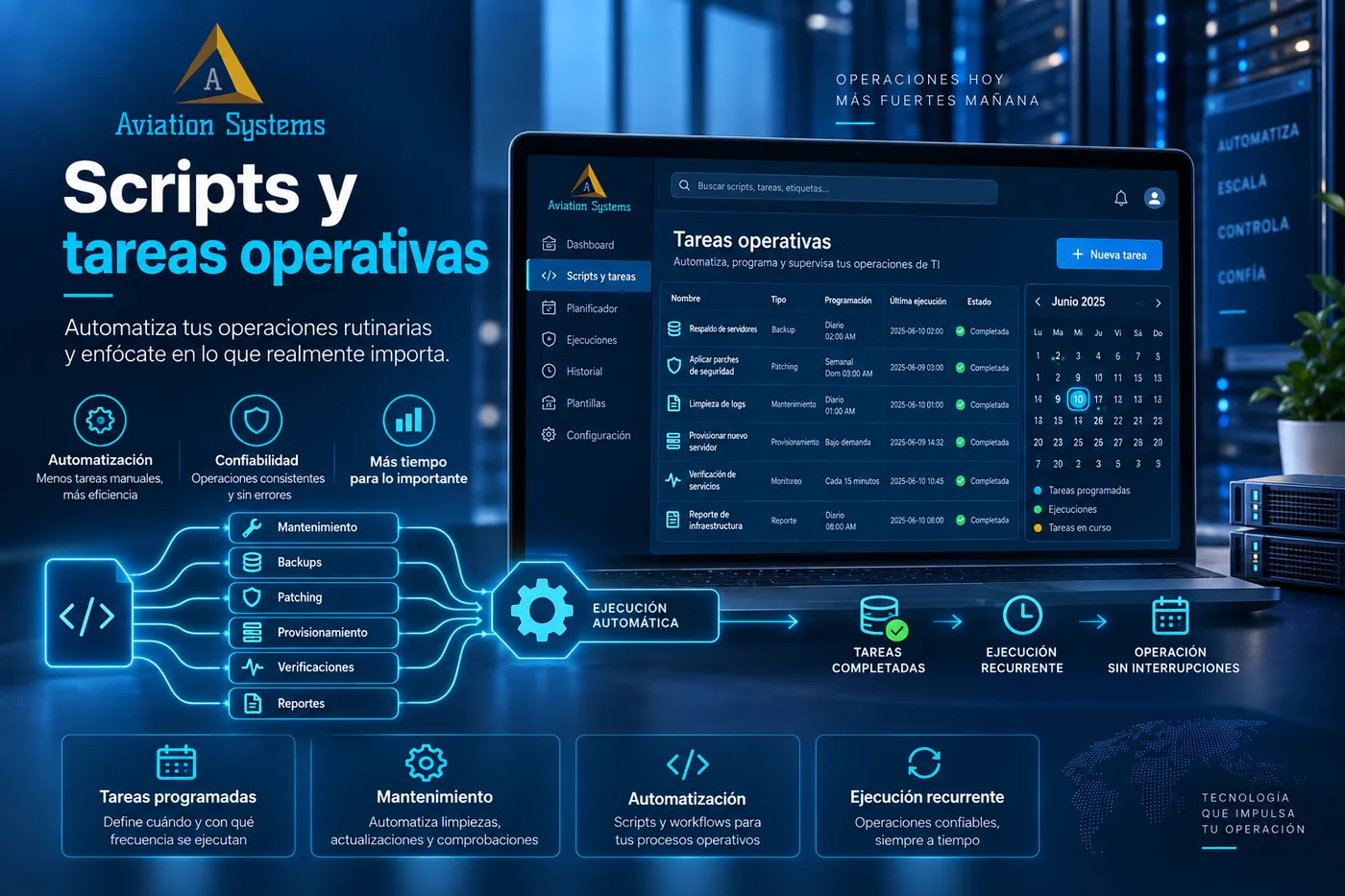
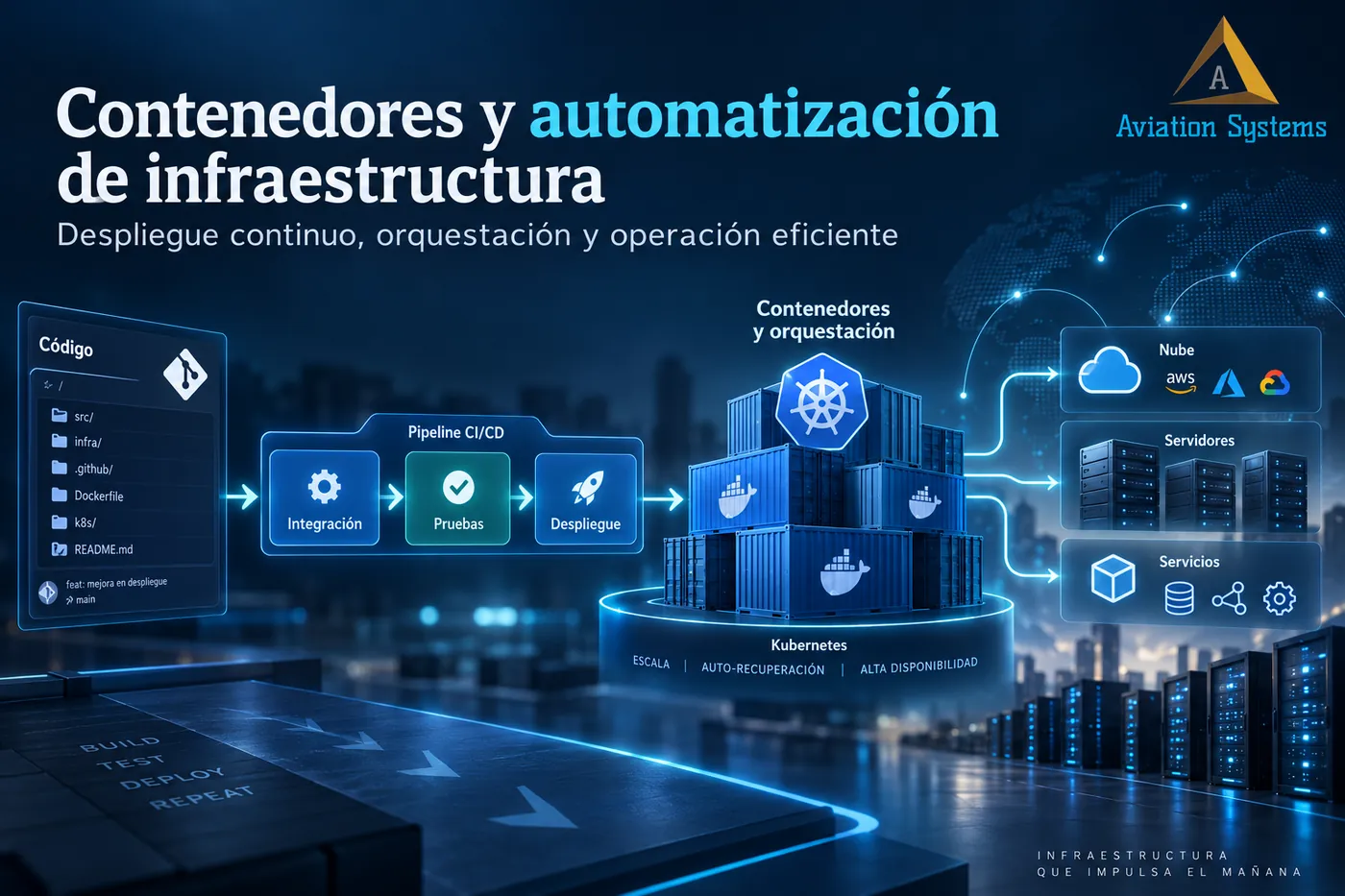 10Containers and automationDocker, orchestration, automated deployments and operational tasks.
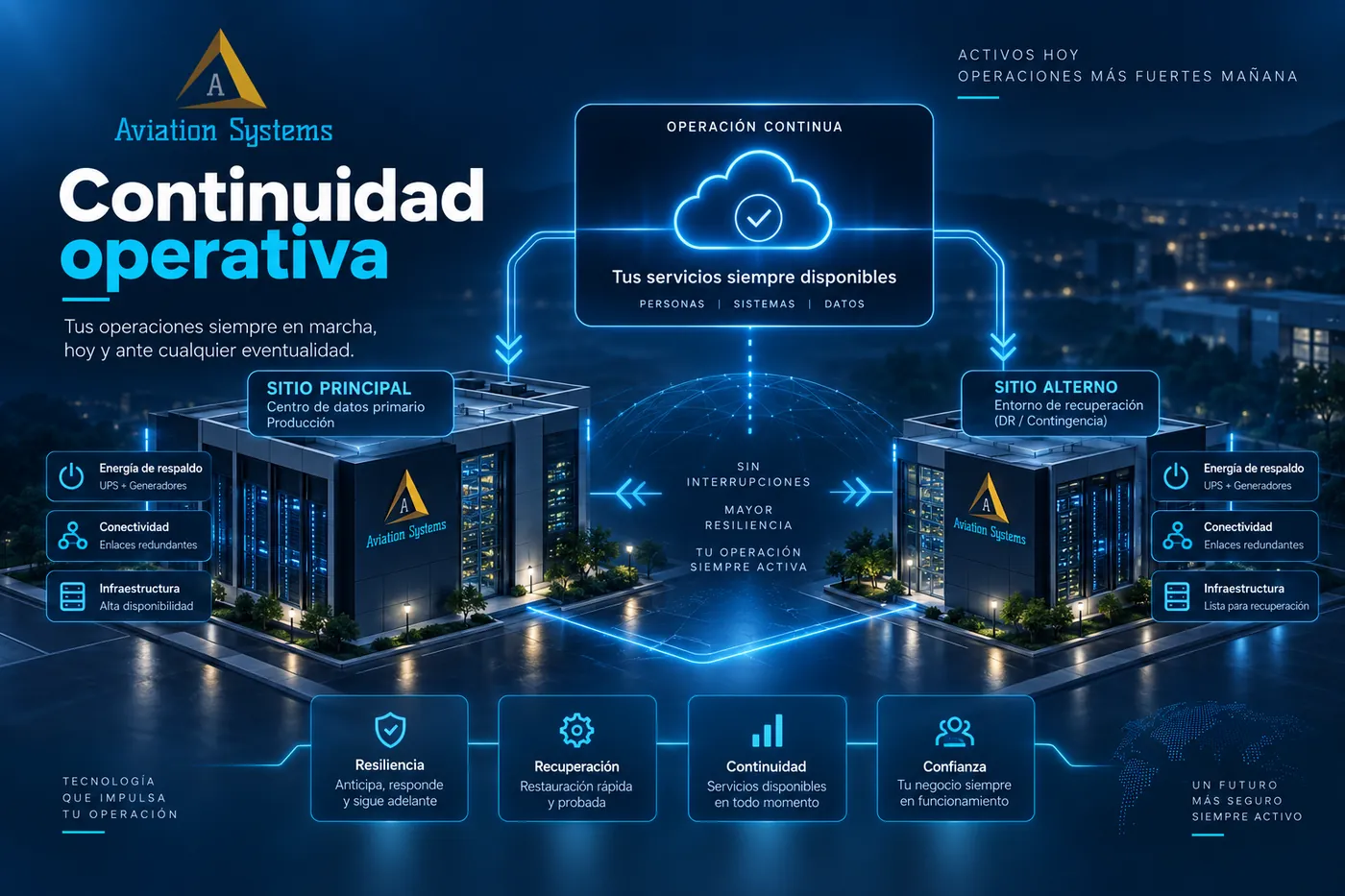
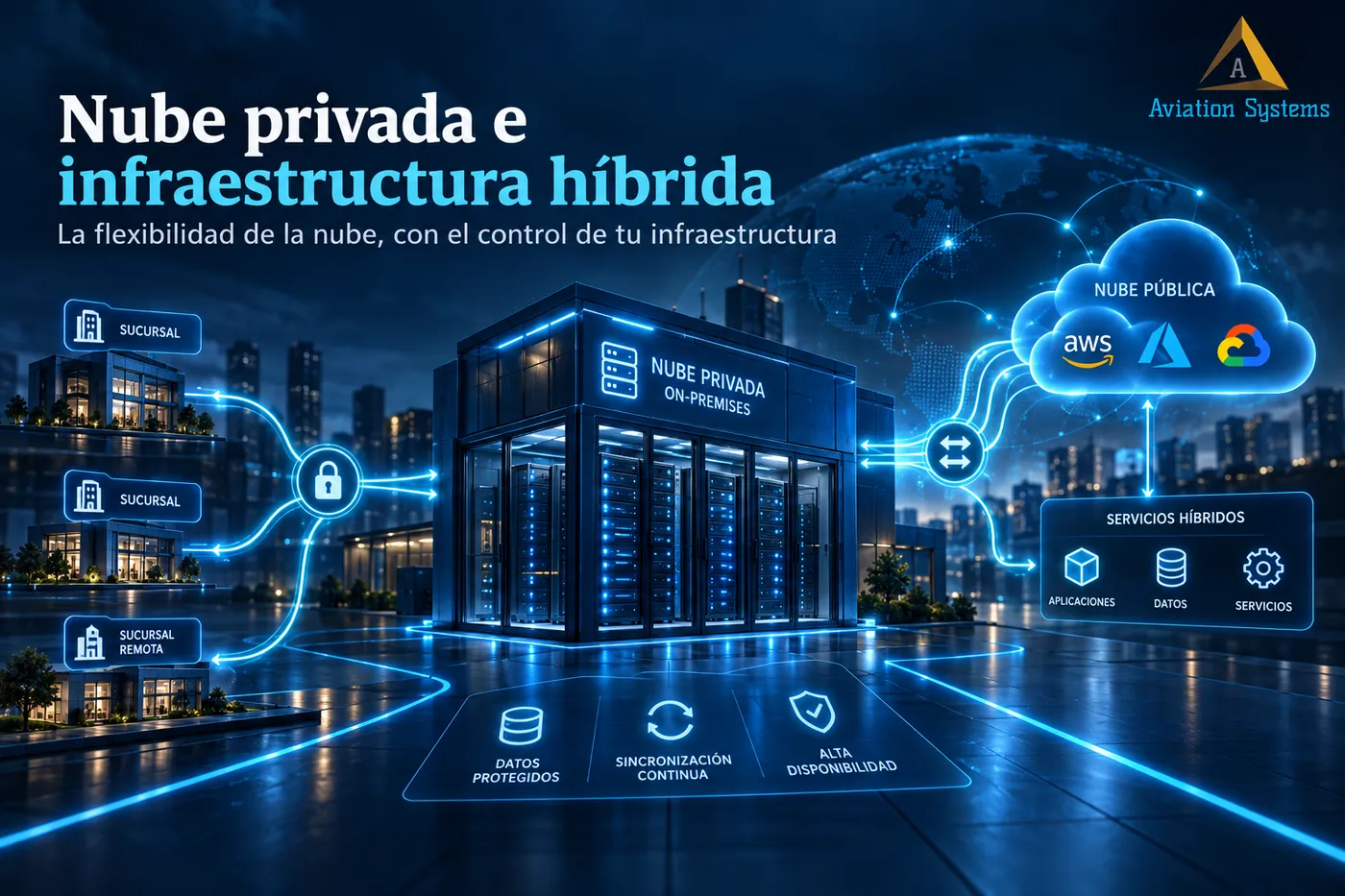 11Private cloud and hybrid infrastructurePrivate infrastructure, hybrid integration, replication between sites and scalability.
We size and implement physical servers according to the applications, number of users, processing, memory, storage, growth and required level of availability.
Quote this serviceWe design virtualization platforms to consolidate services, make better use of hardware, separate workloads and simplify maintenance, backup, migration and recovery.
Quote this service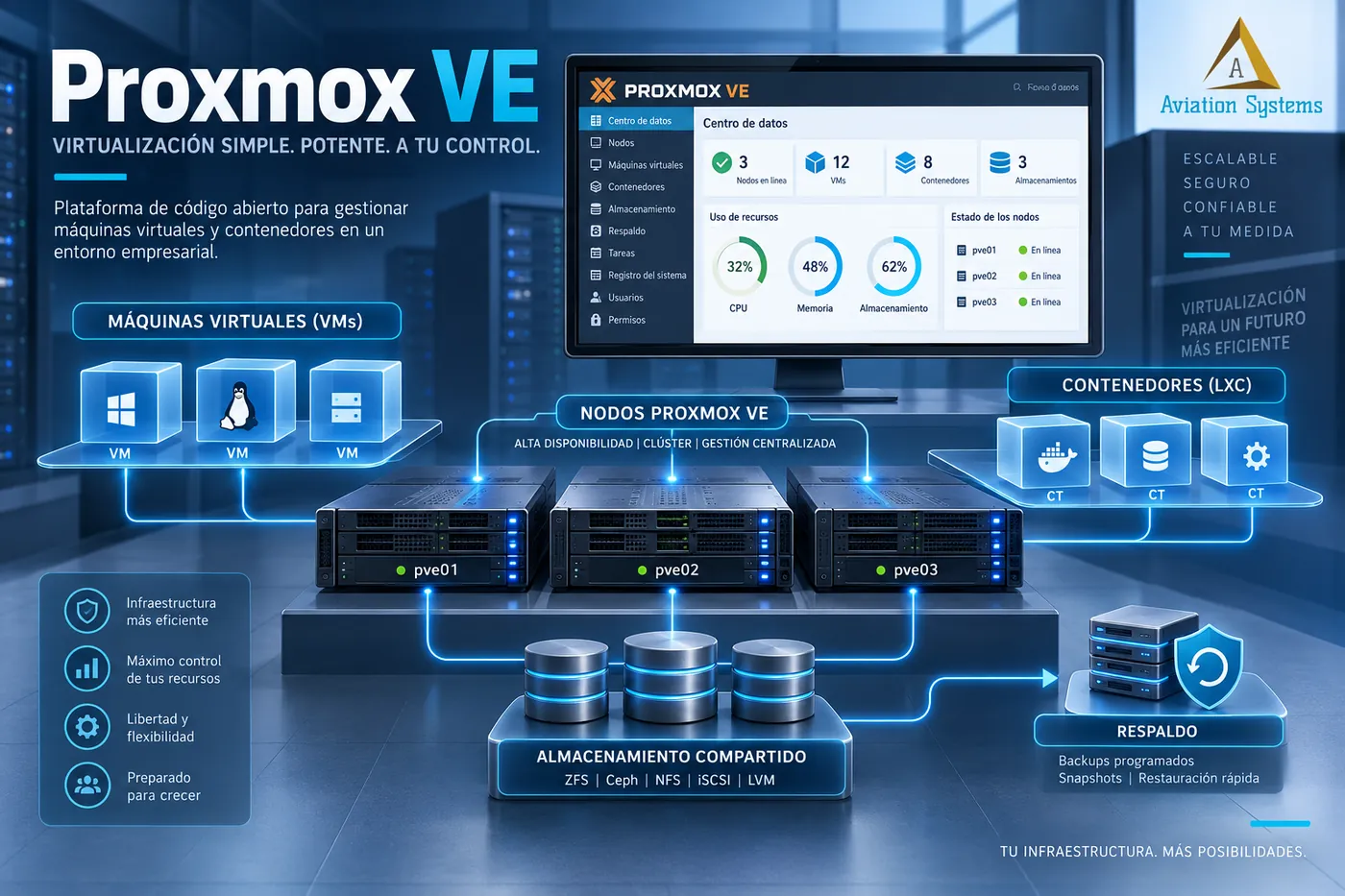
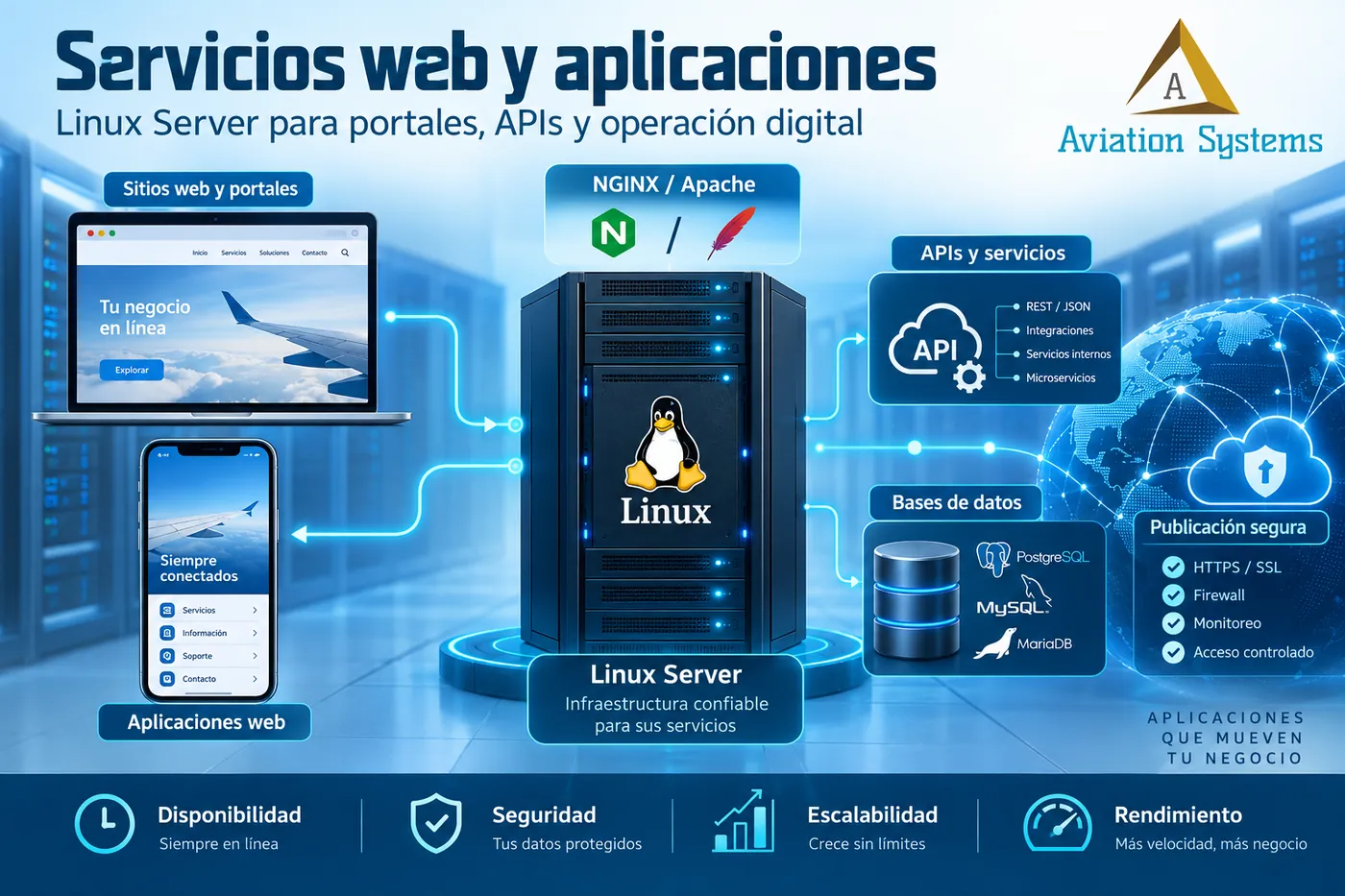
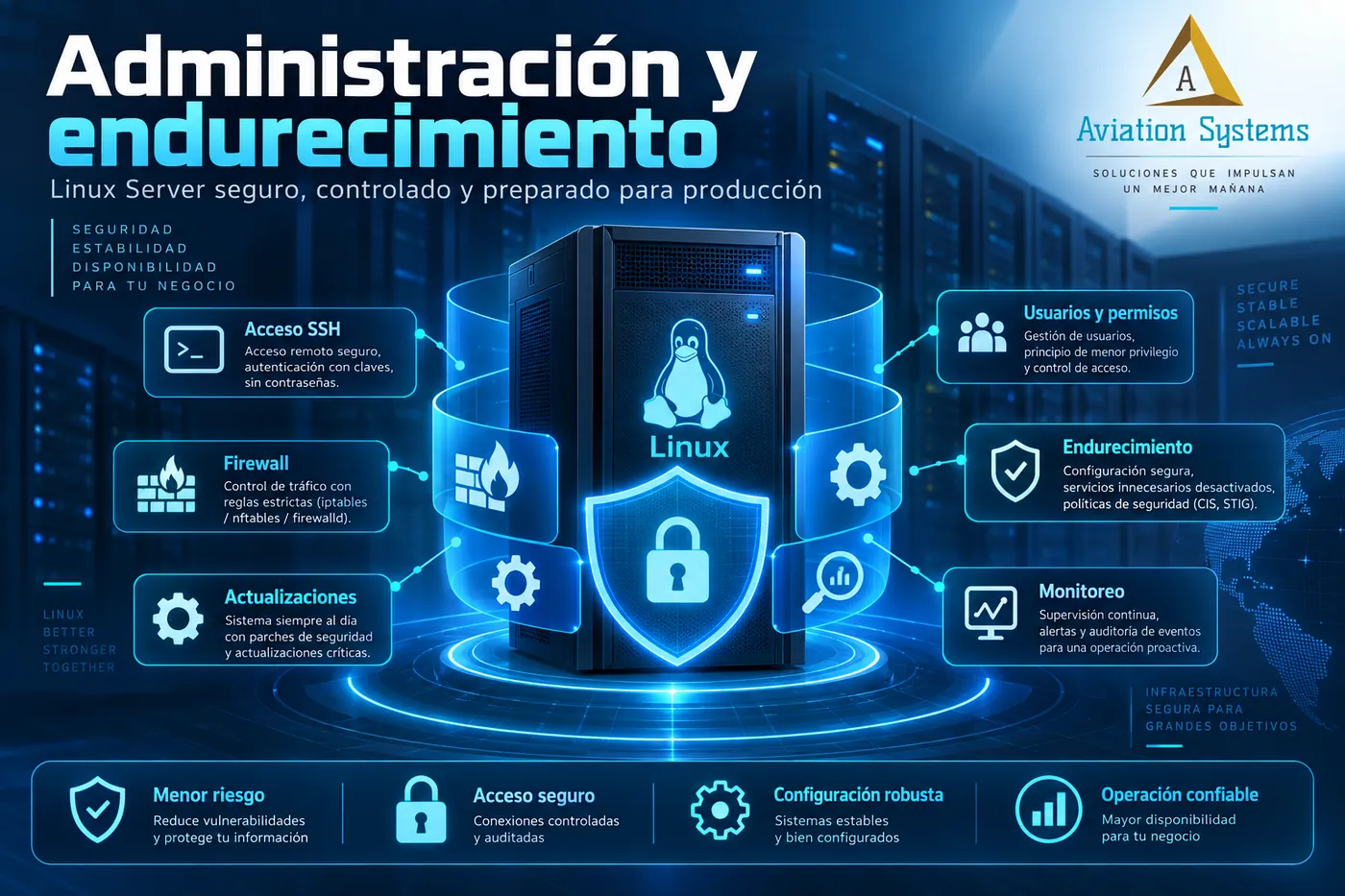
We implement Linux servers for applications, APIs, databases, web services, automation and internal systems with documented configuration and security controls.
Quote this service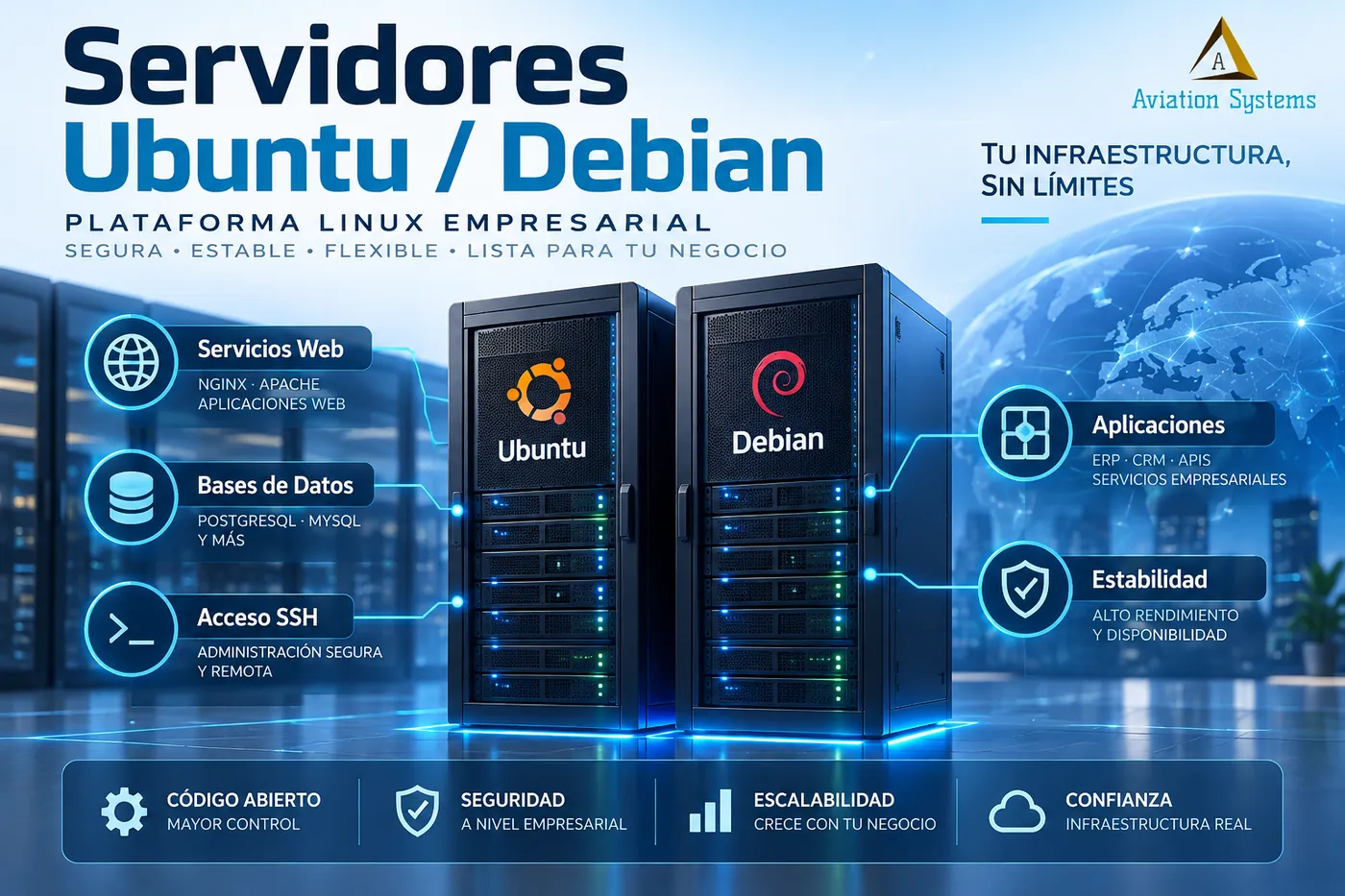
We implement Windows Server for corporate services, access to resources, applications, centralized administration and management of users and devices.
Quote this service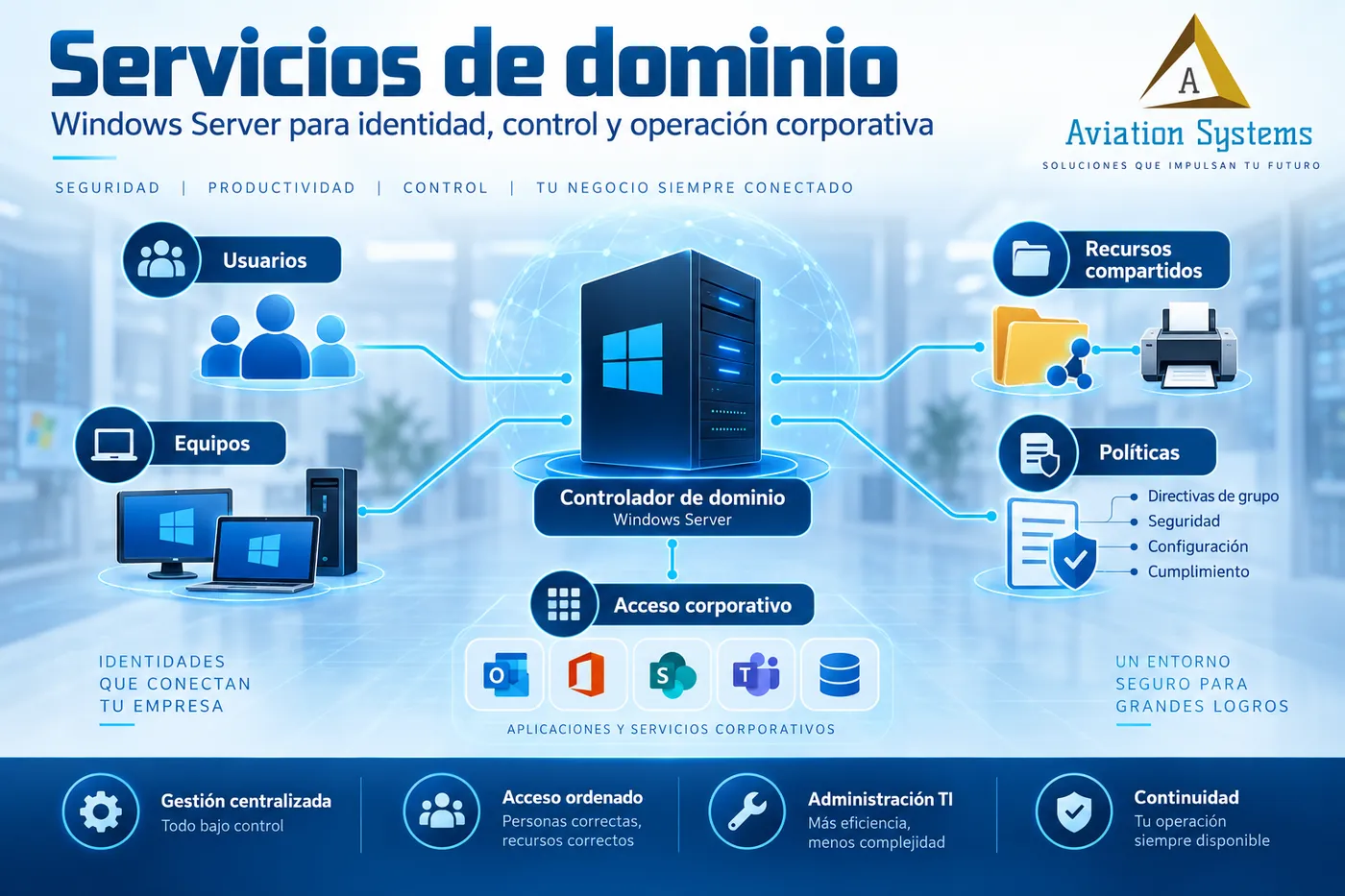
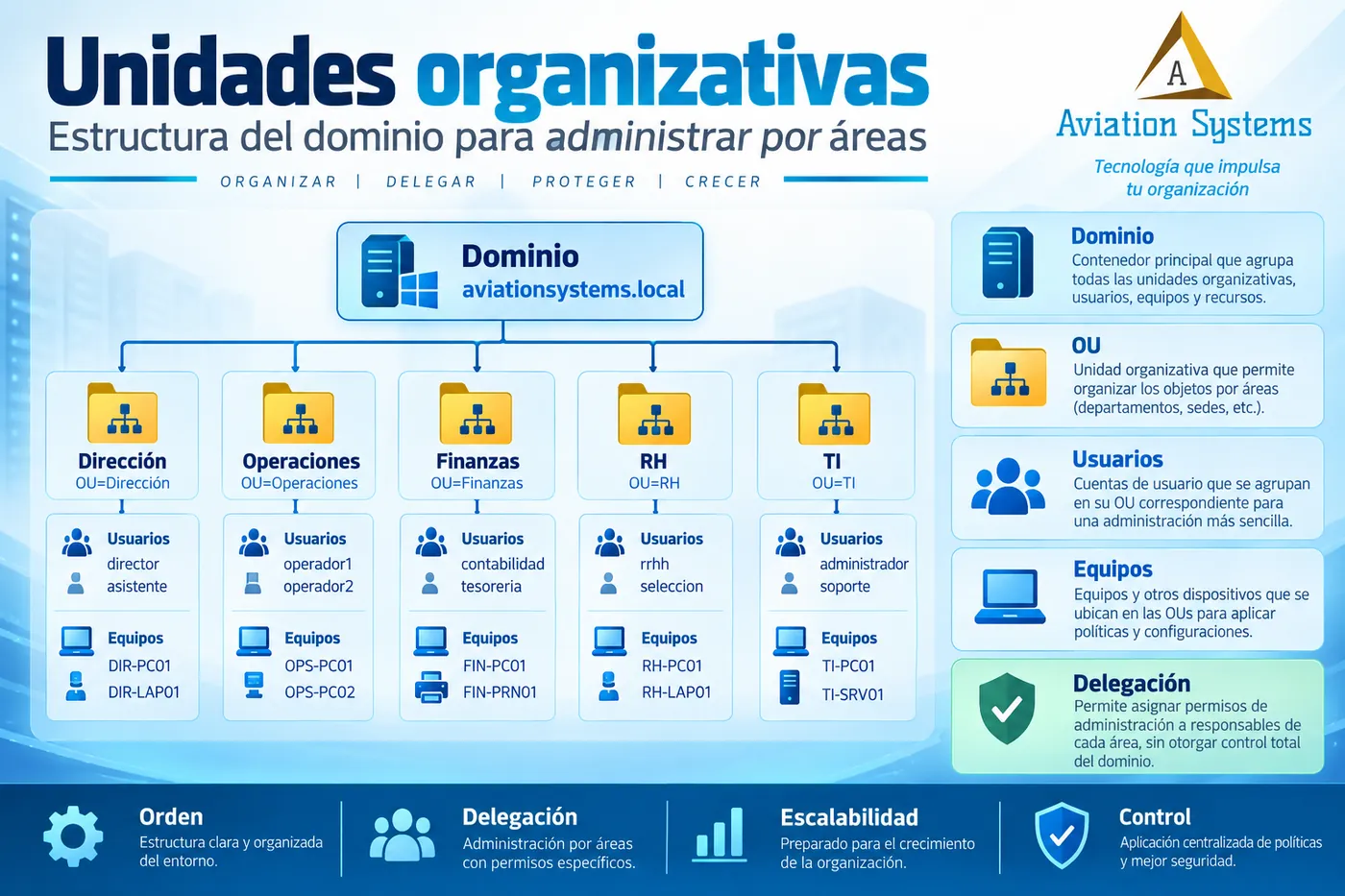
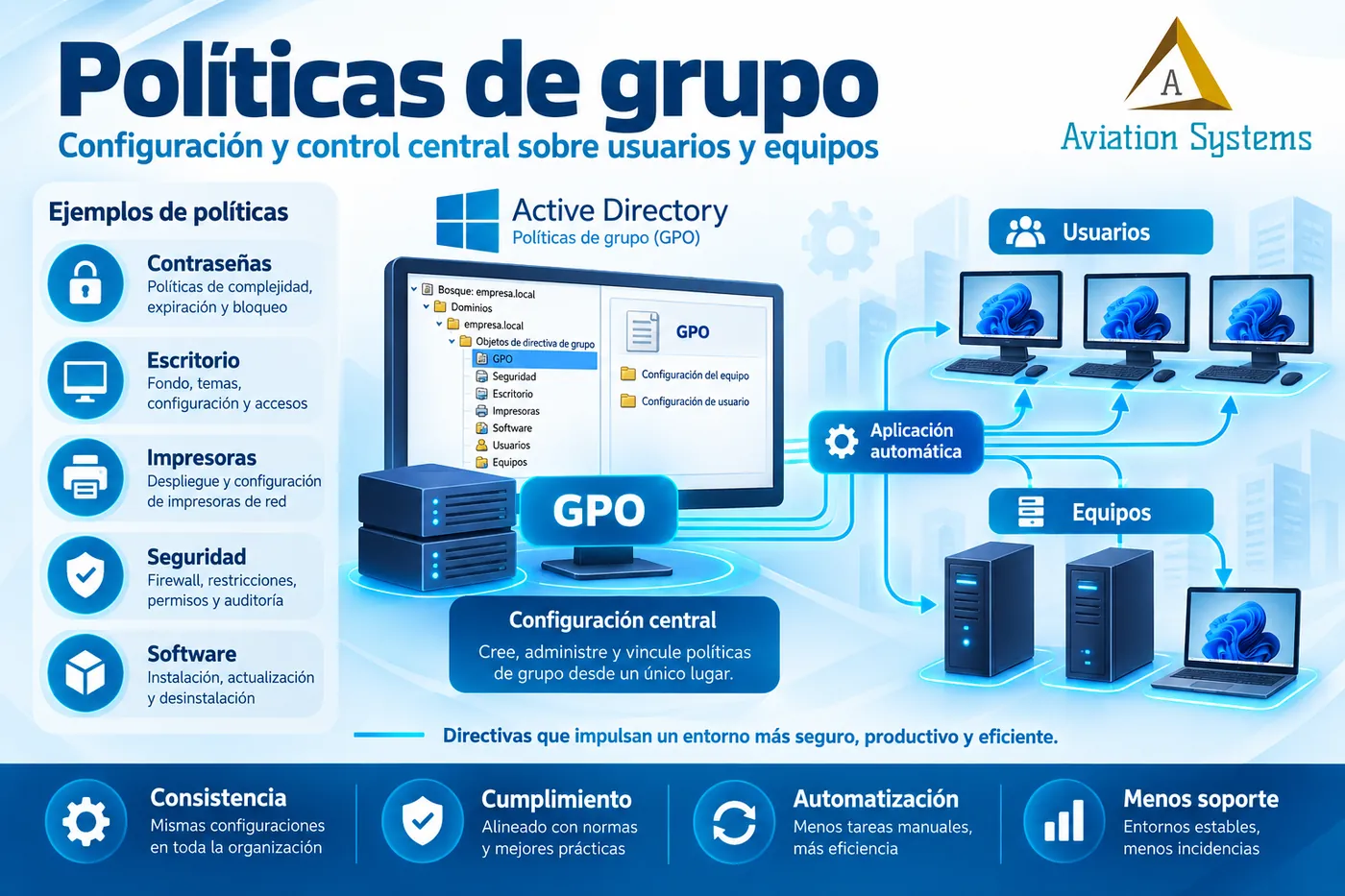
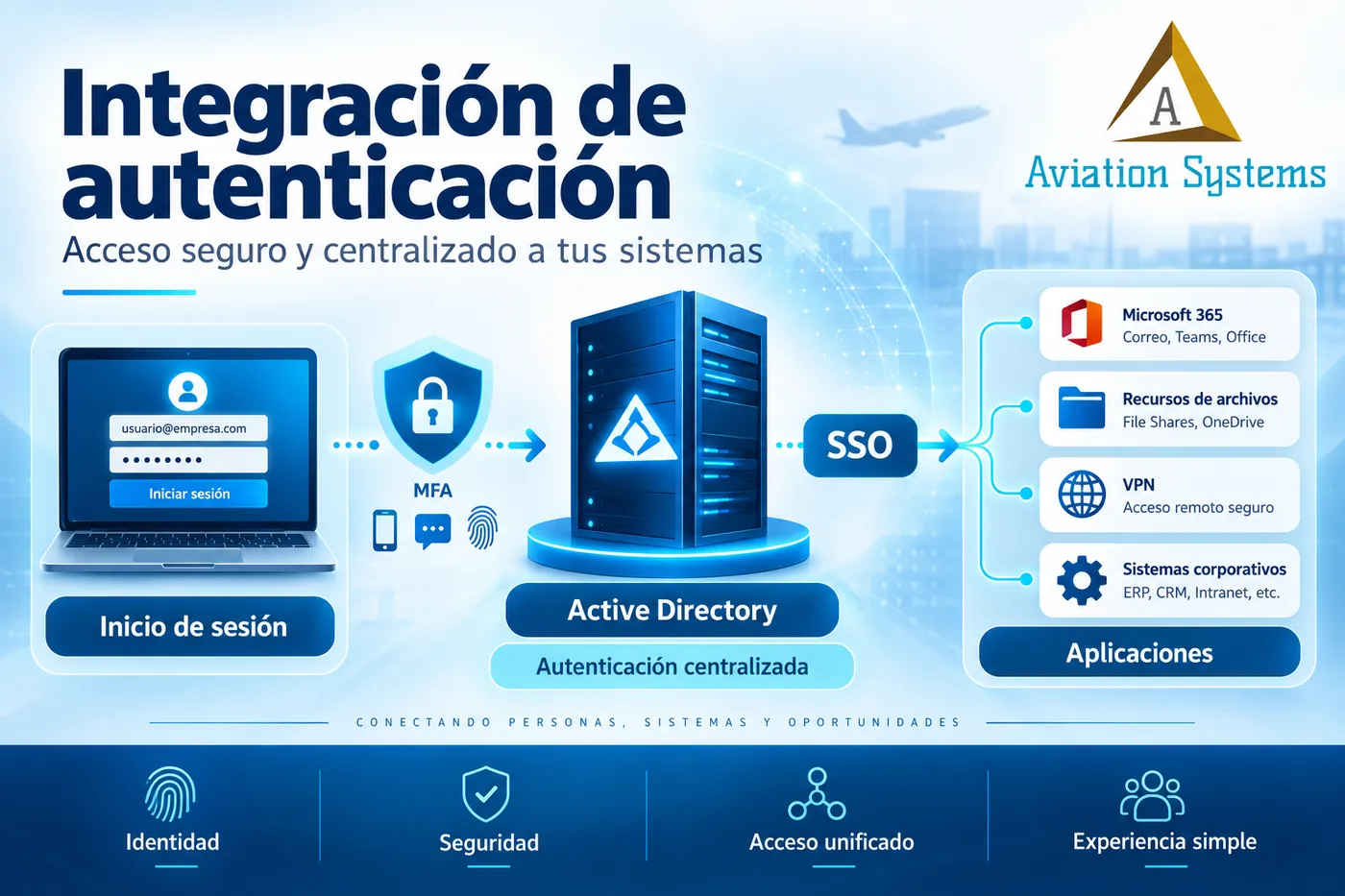
We organize Active Directory to centralize users, computers, groups, permissions and policies, reducing isolated configurations and hard-to-control access.
Quote this service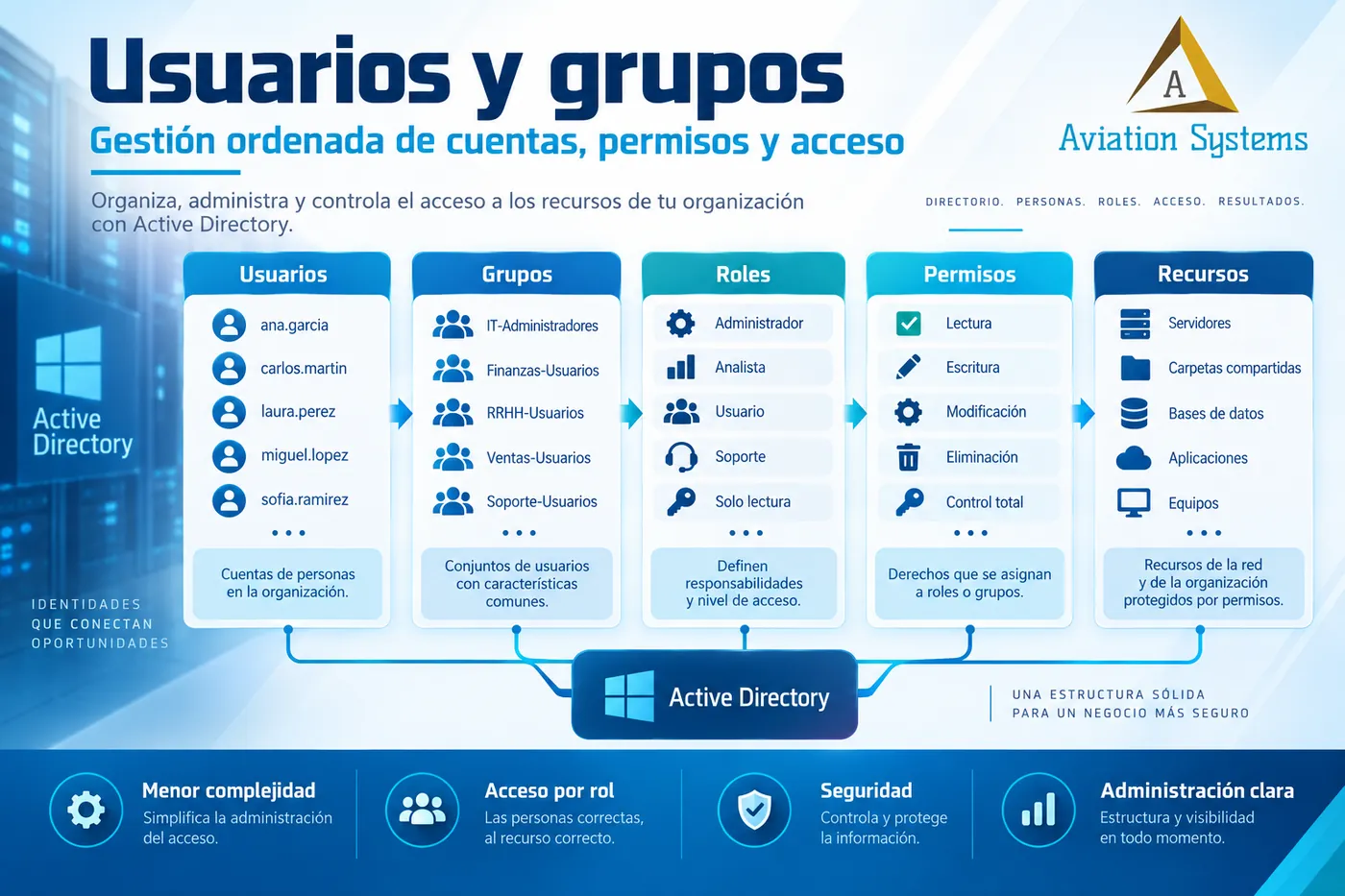
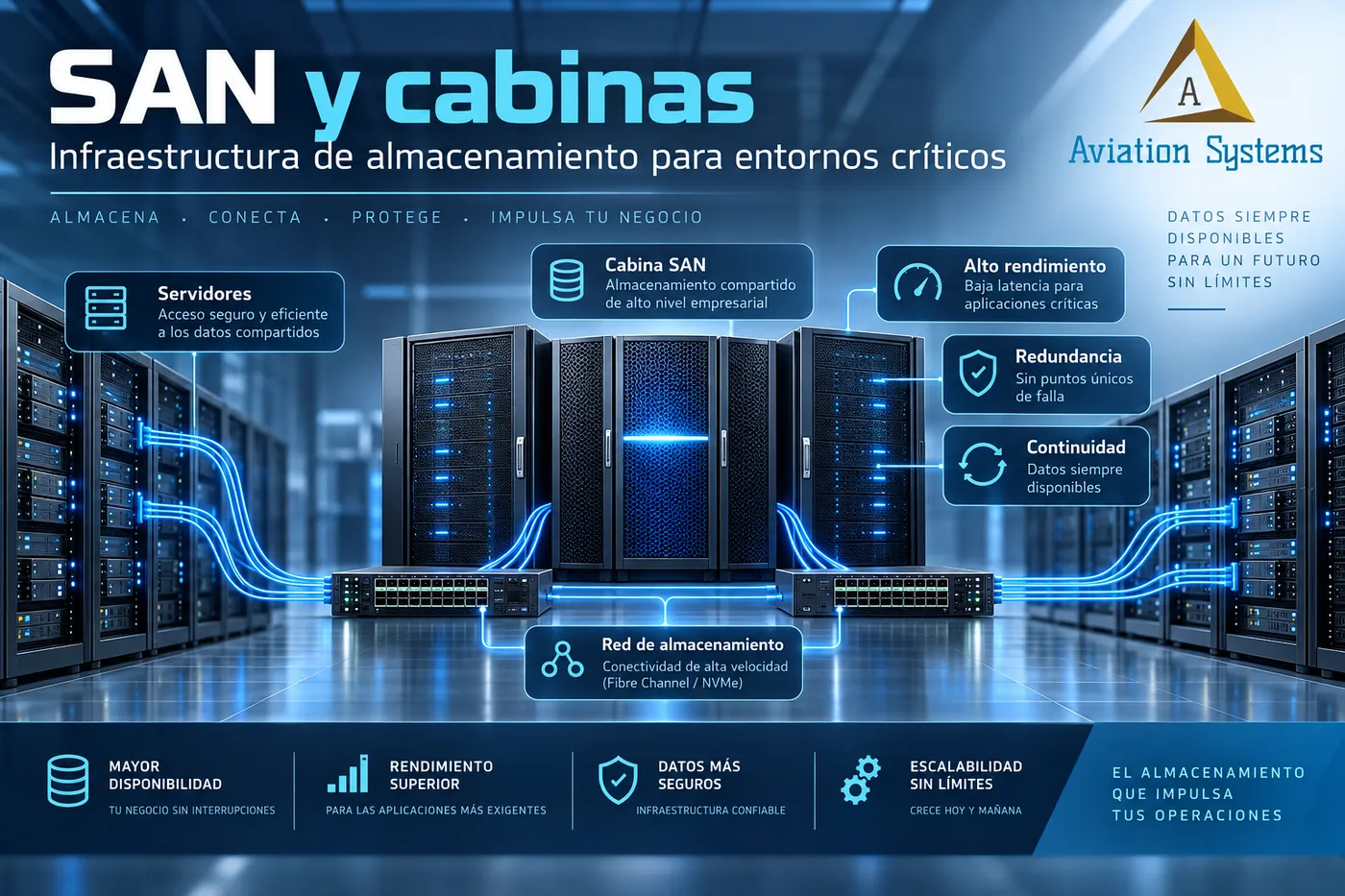
We design centralized storage for files, virtual machines, databases and applications, taking performance, growth, redundancy and recovery into account.
Quote this service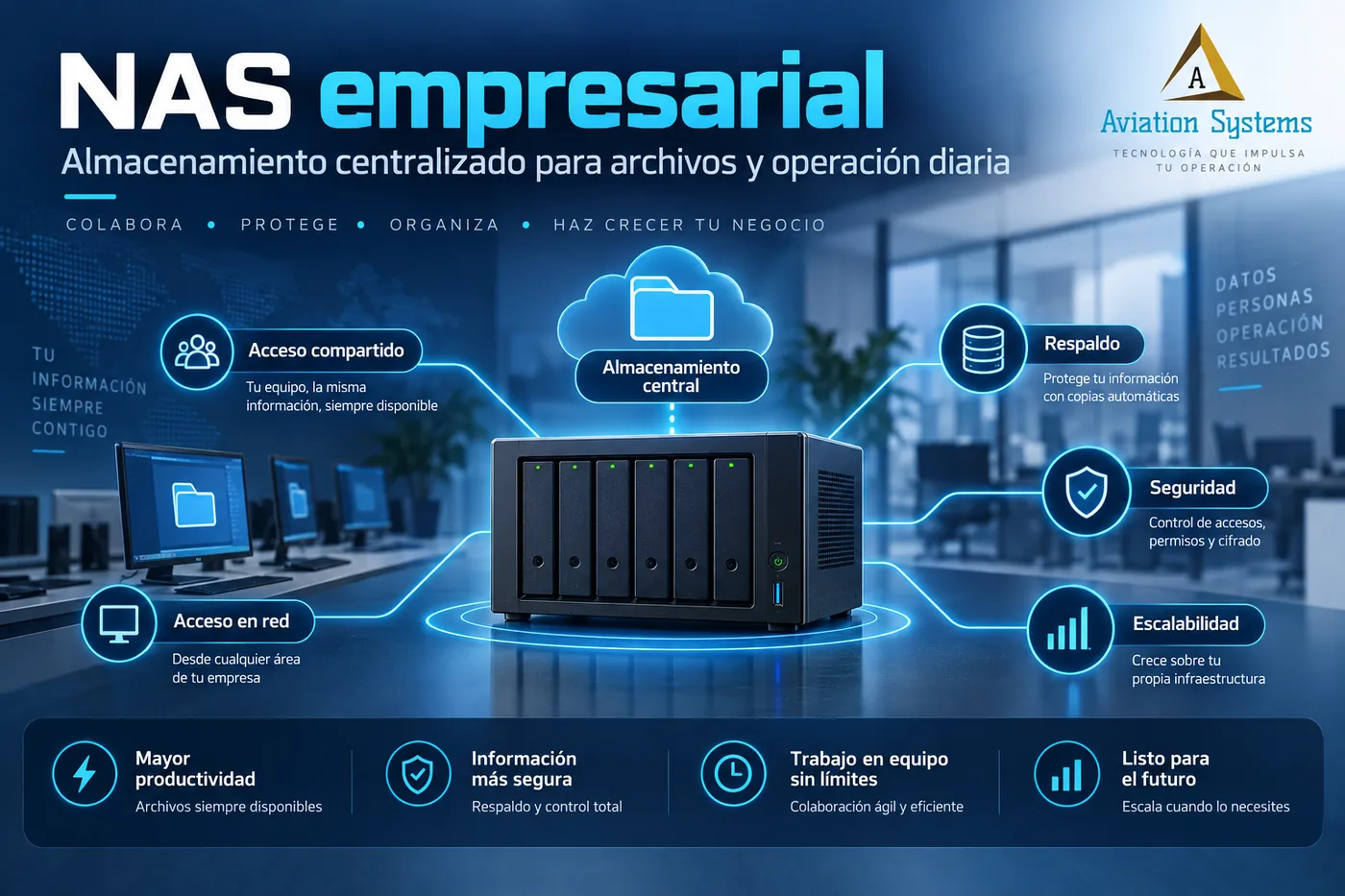
We design backups with real recovery in mind: what must be protected, where the copies are stored, how long they are kept and how we verify they can be restored.
Quote this service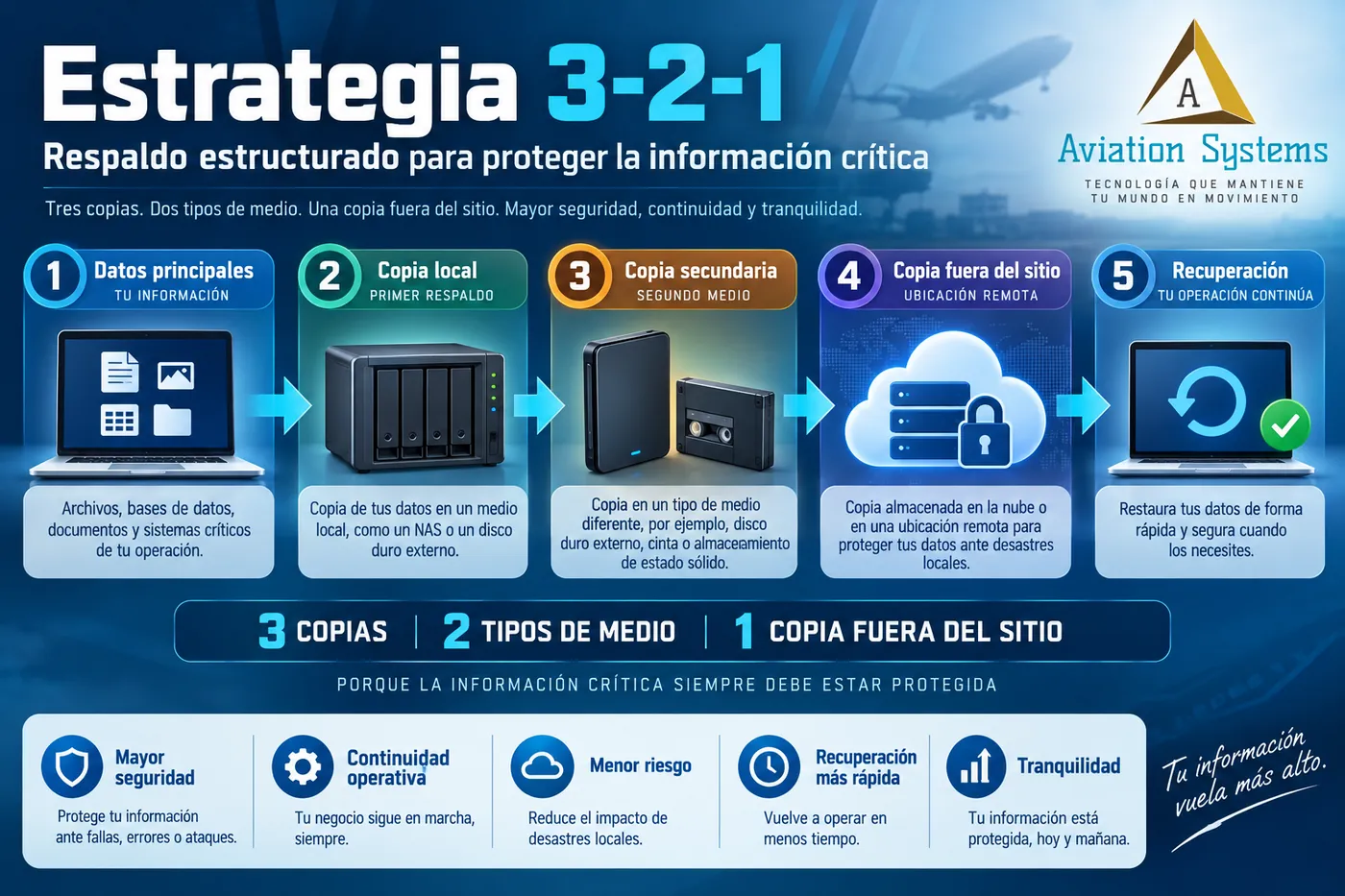
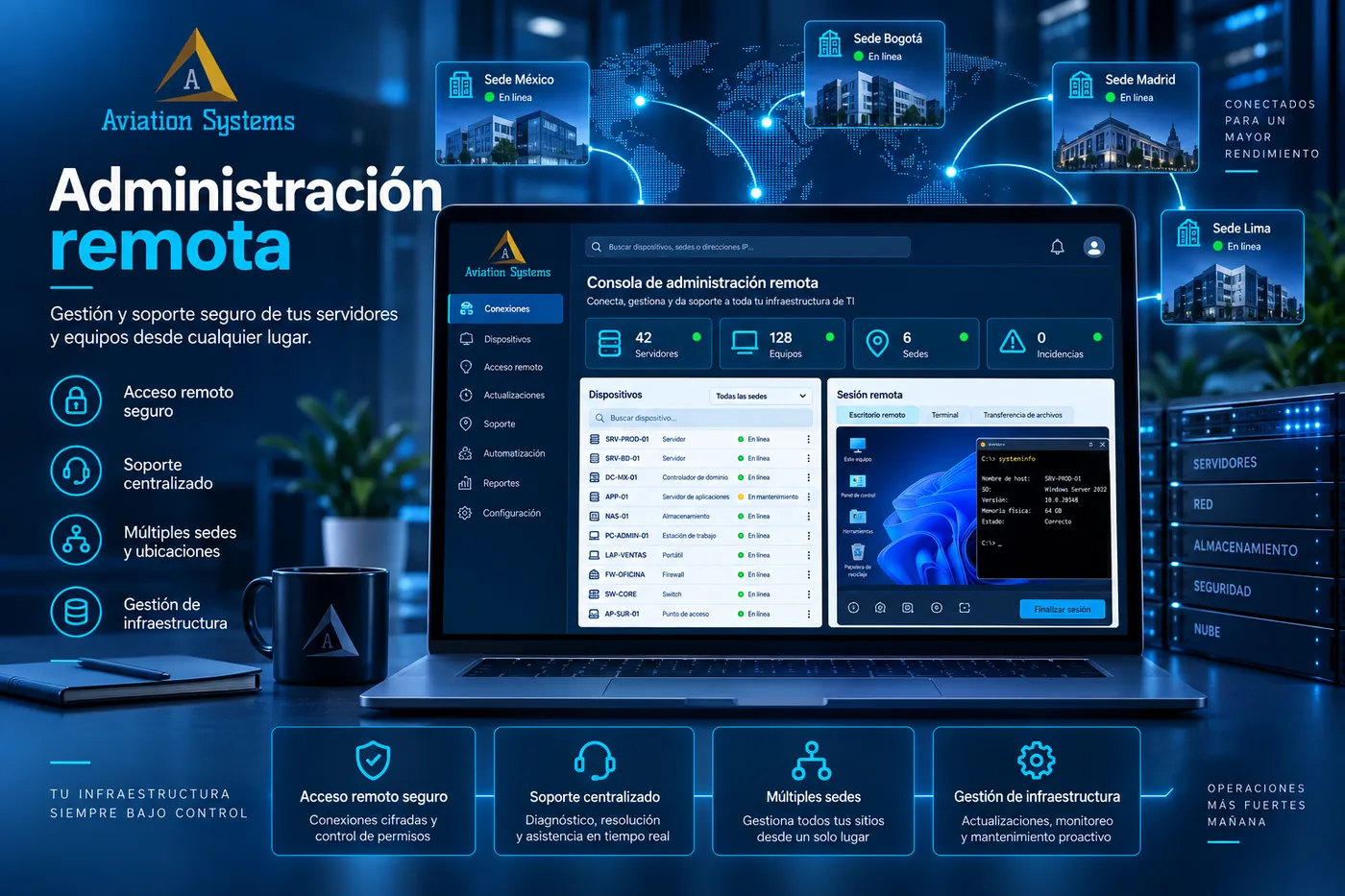
We centralize visibility and administration to know the status of servers, storage, network and services, detect incidents and keep control of IT assets.
Quote this service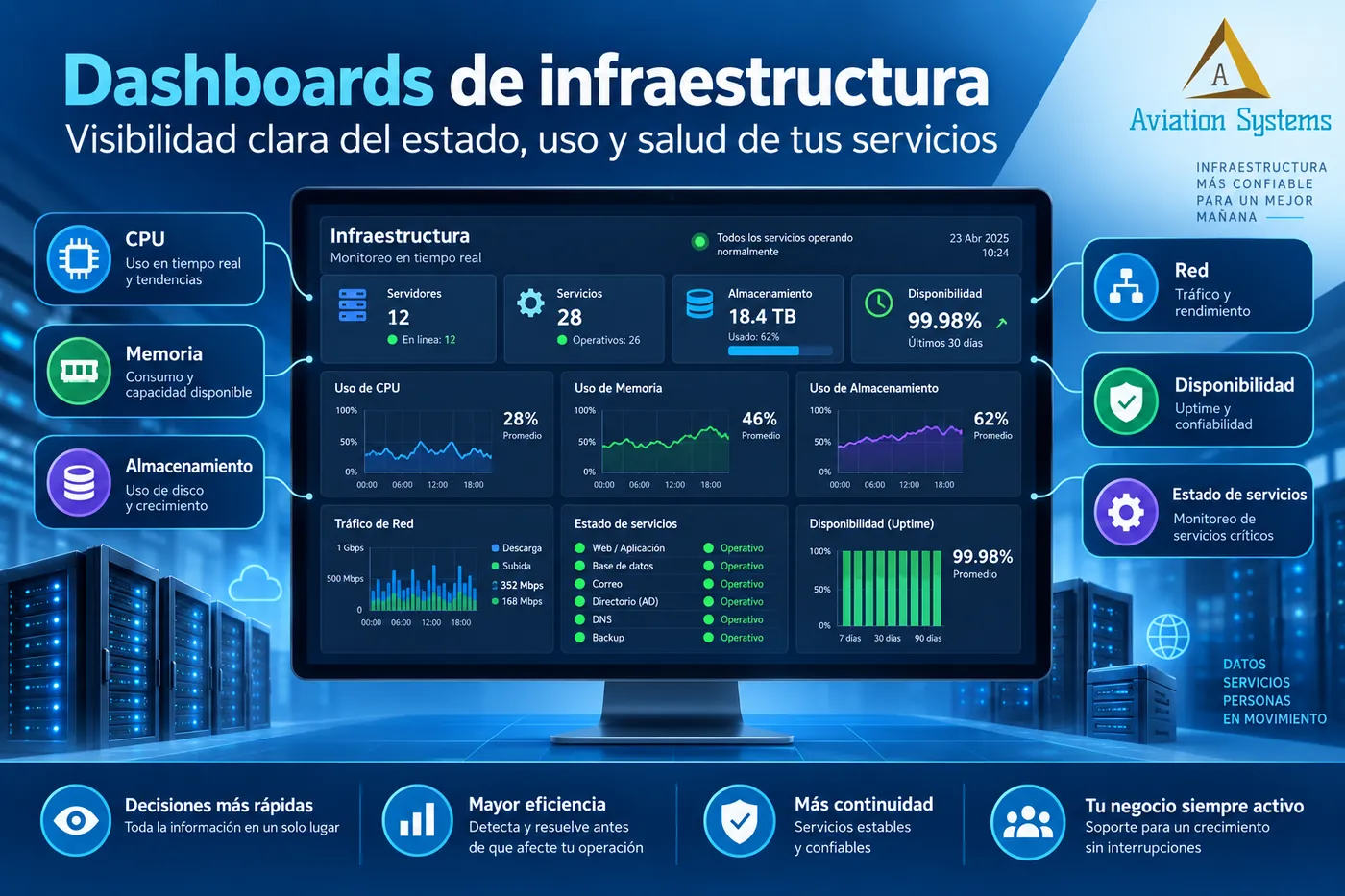
We identify single points of failure and design redundancy, failover and load distribution for the services that really need to stay available.
Quote this service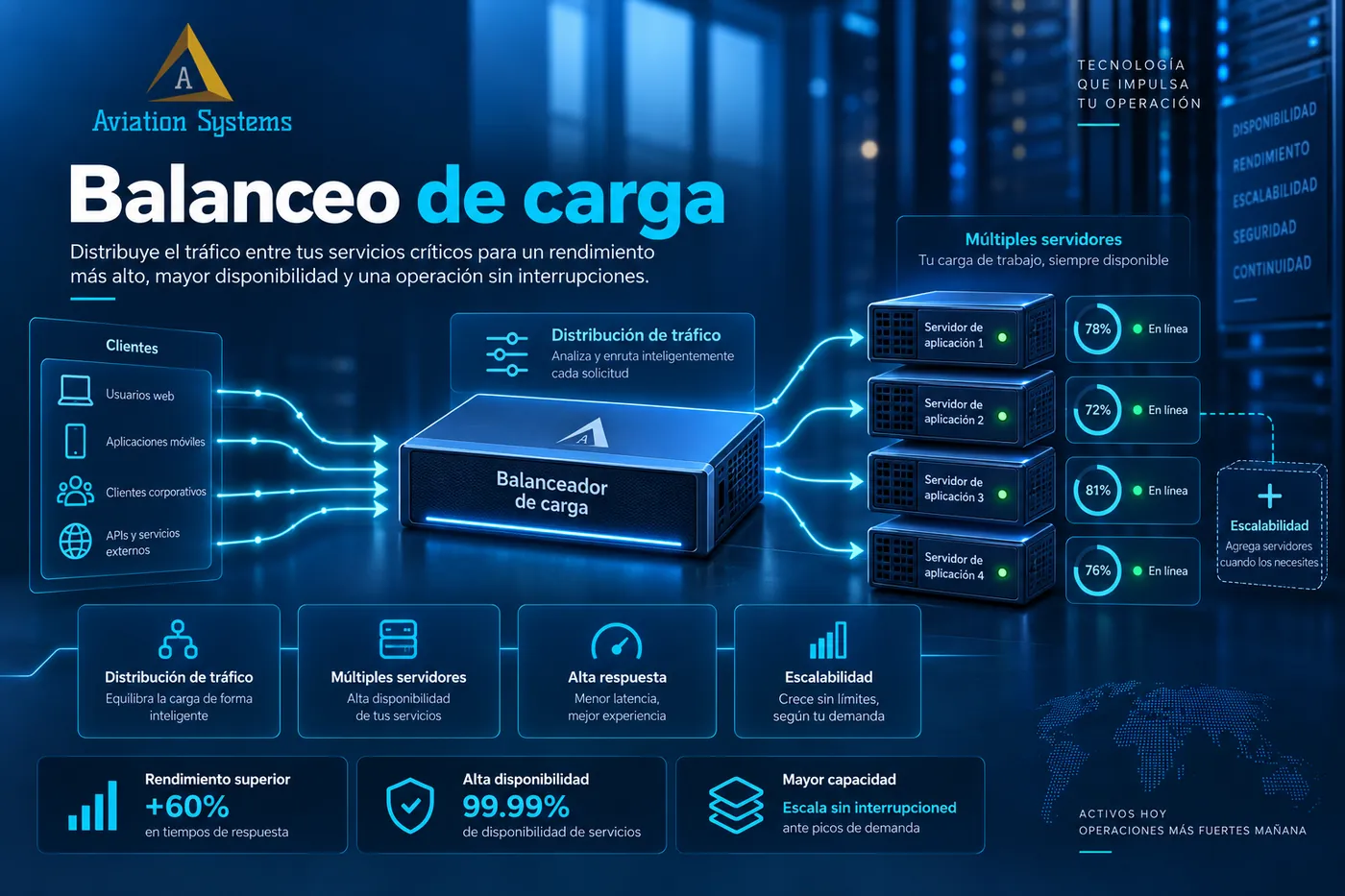
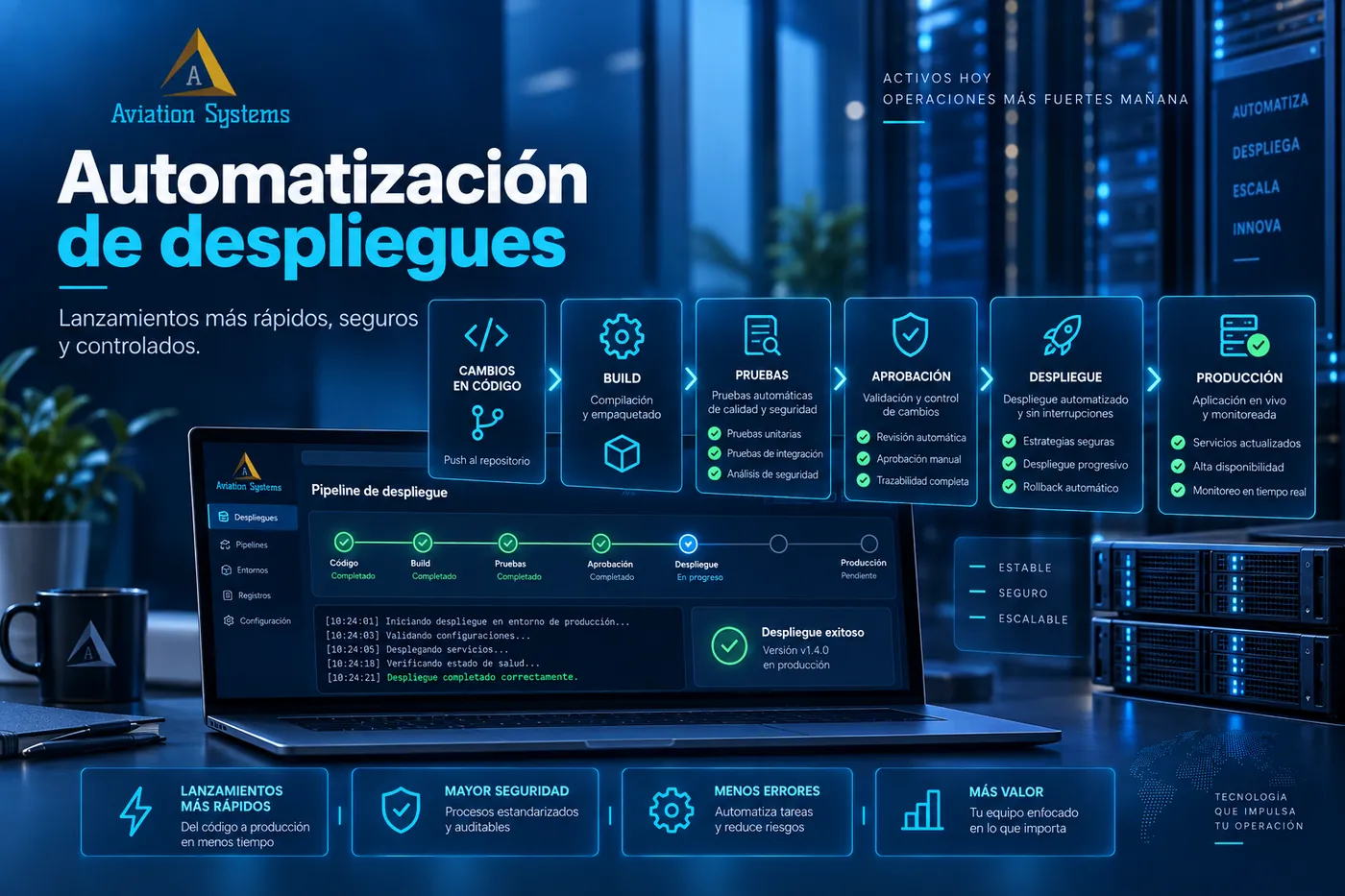
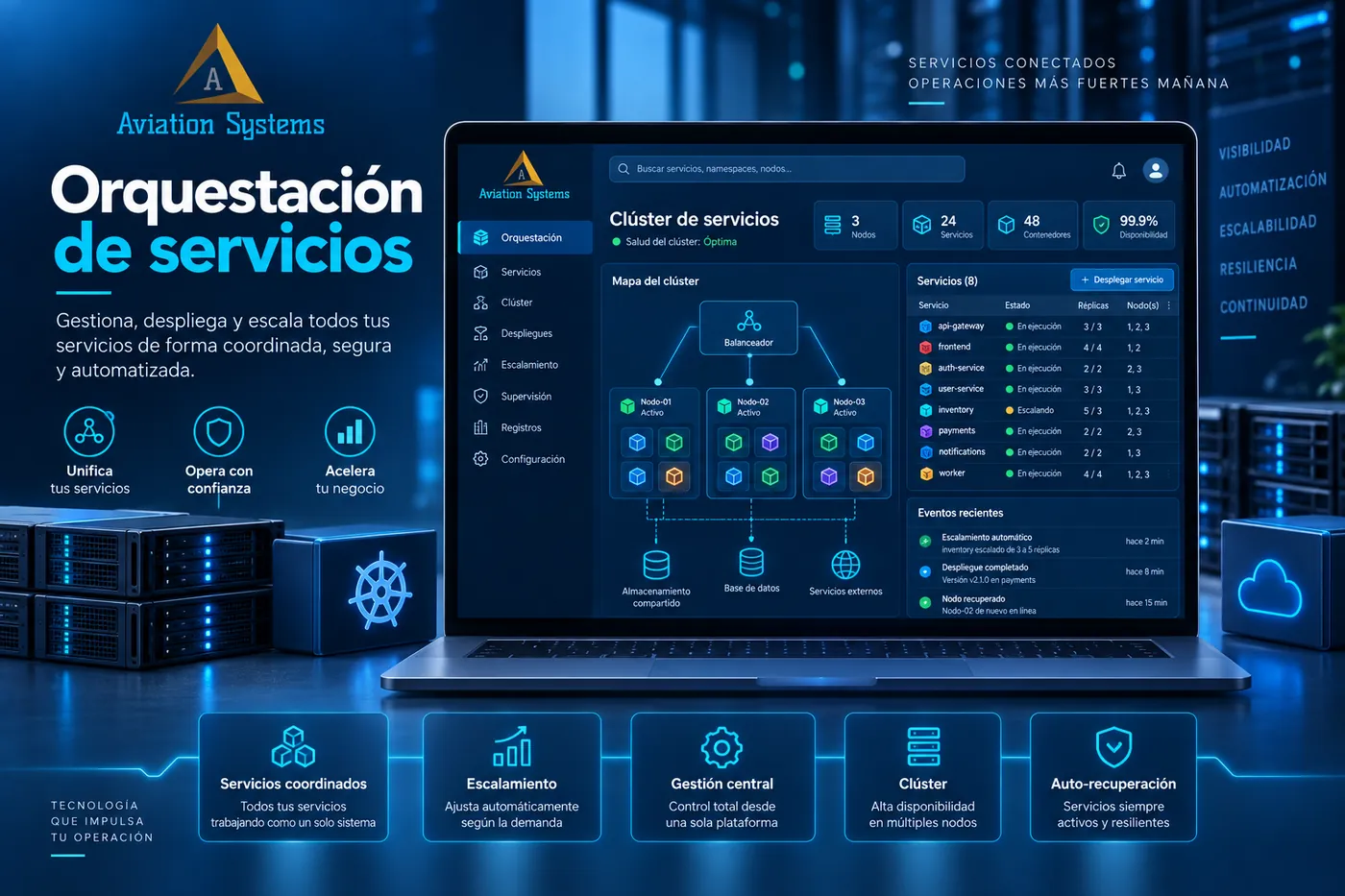
We implement containers and automation to standardize applications, reduce manual tasks and make deployments, updates and operational processes more repeatable.
Quote this service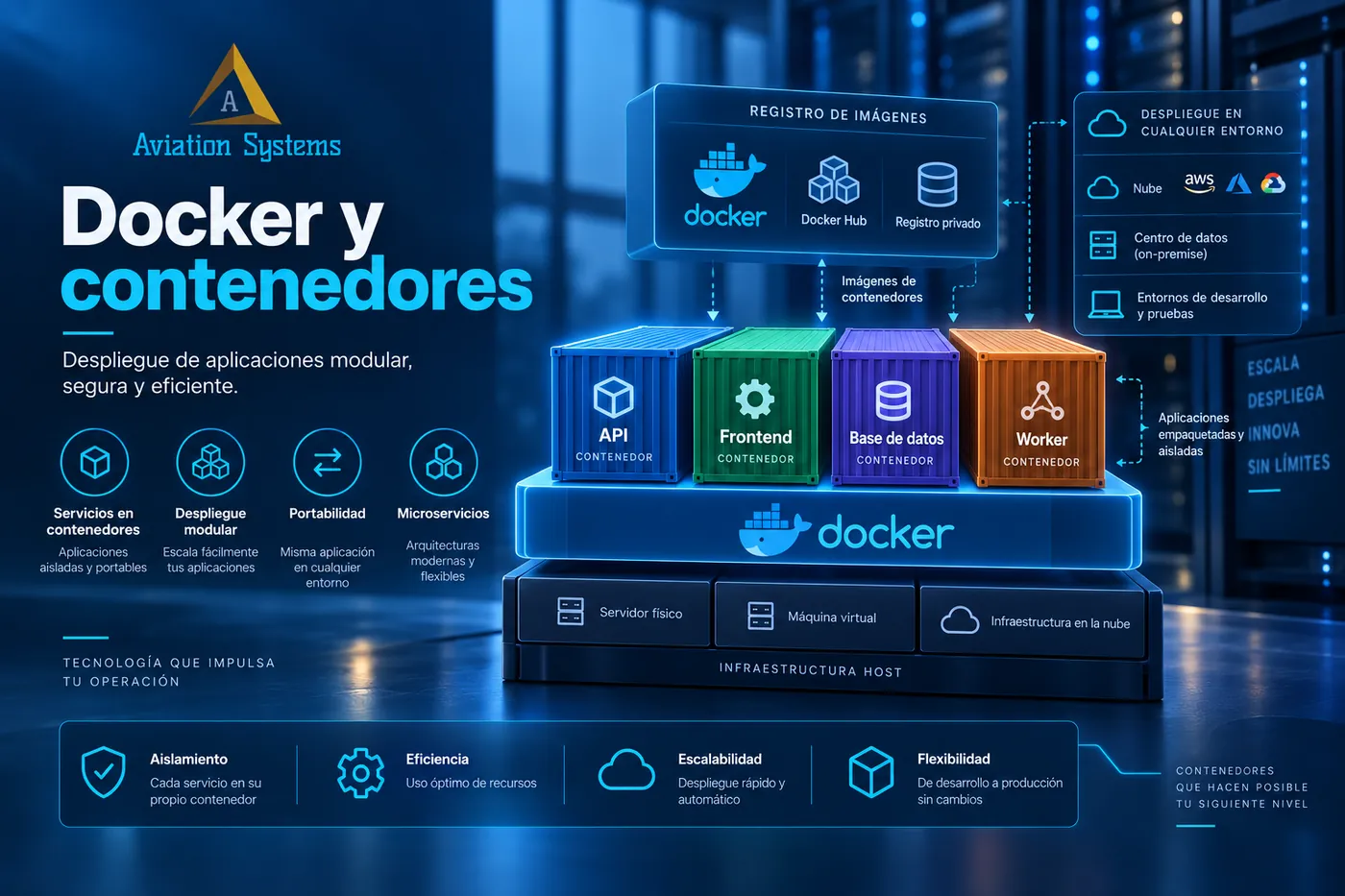
We integrate on-premises infrastructure, private cloud and cloud services when the project needs to keep control over systems and data without giving up flexibility, growth and connectivity between locations.
Quote this service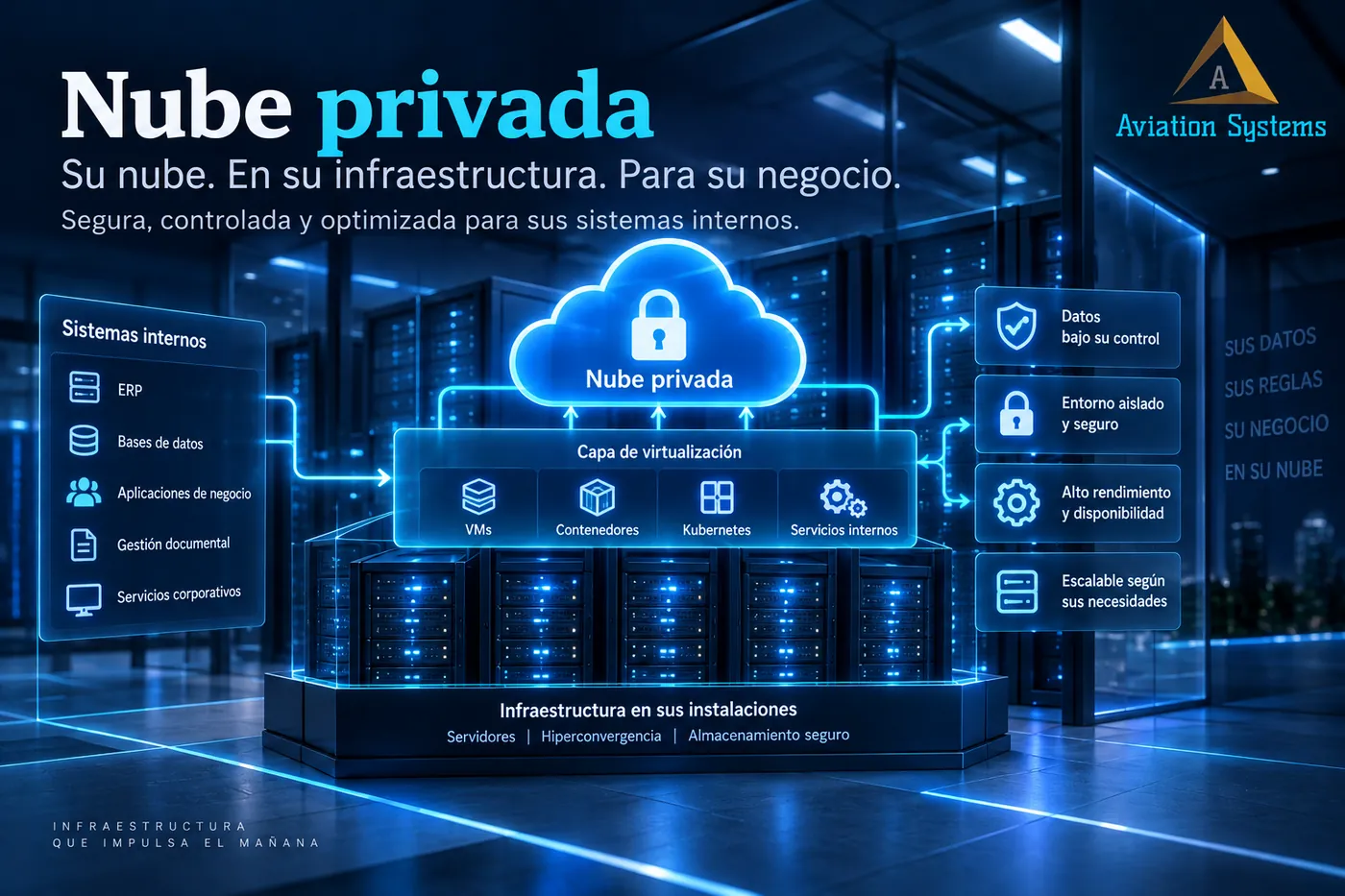
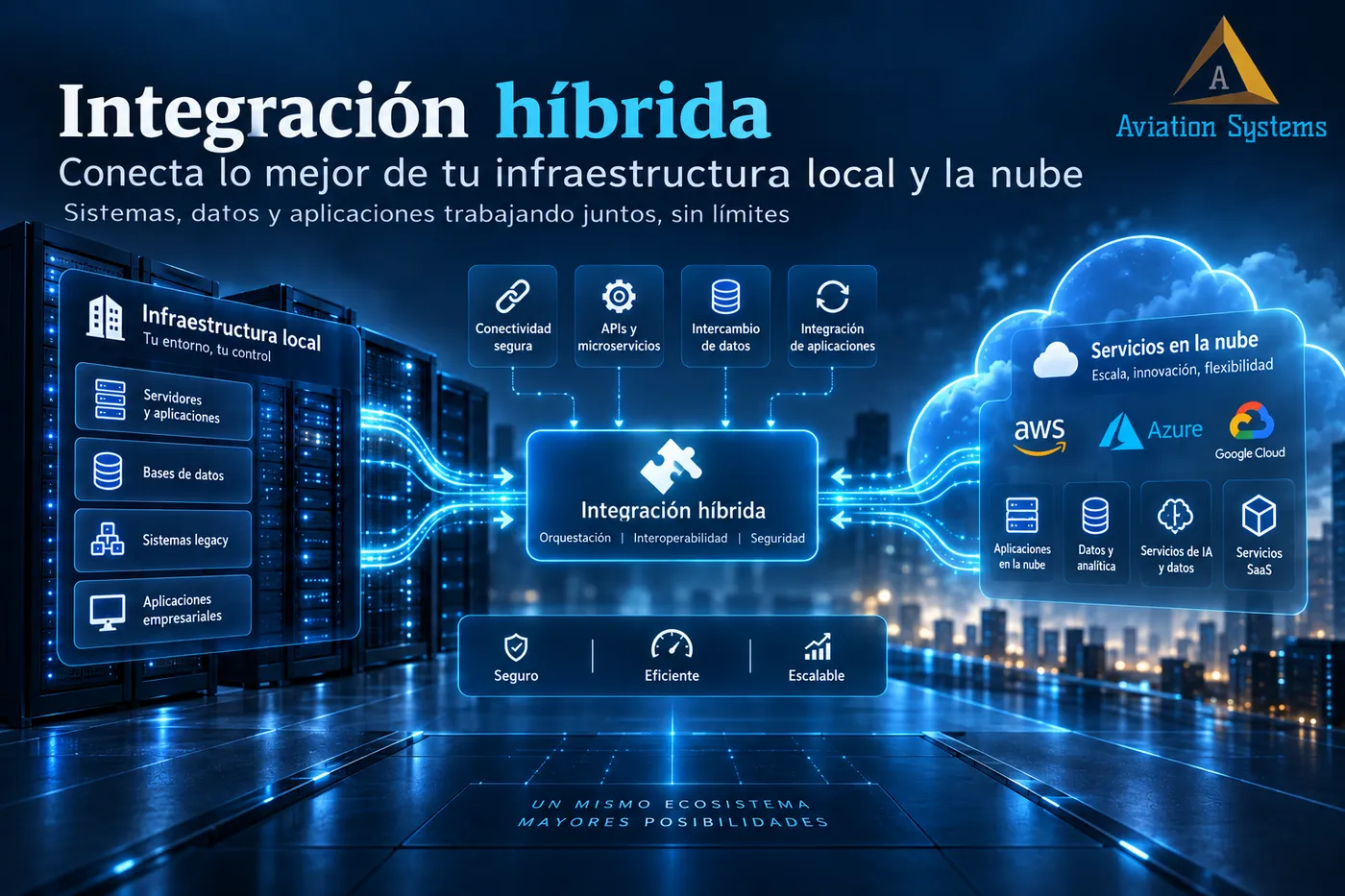

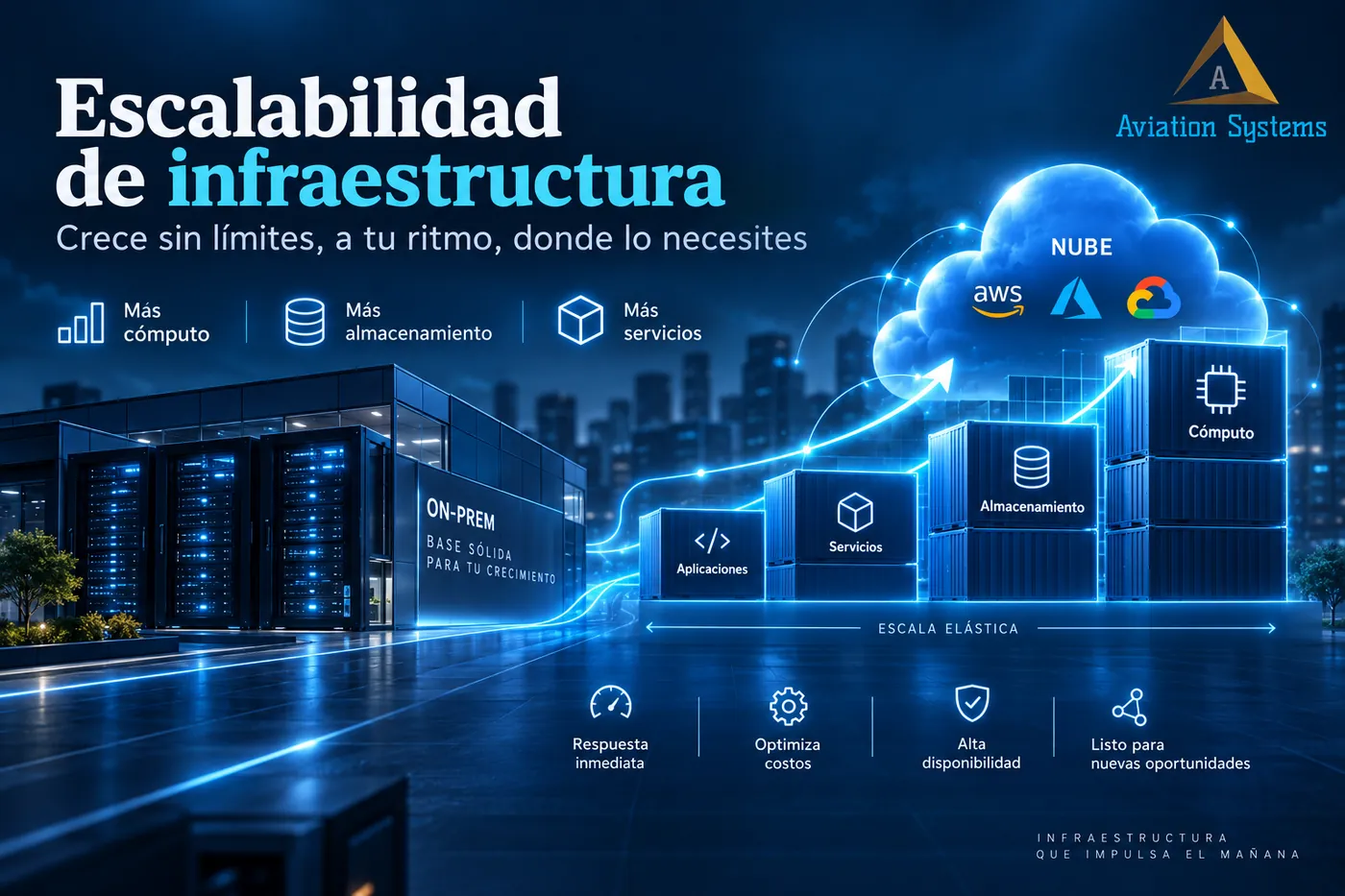
Servers, storage and network installed at the client's premises to keep workloads and data on their own infrastructure.
Consolidation of services on hypervisors and clusters with centralized management and room to grow.
NAS, SAN, volumes, snapshots and independent copies to protect information and support business applications.
Redundancy, replication, restore testing and procedures to reduce the impact of critical failures.
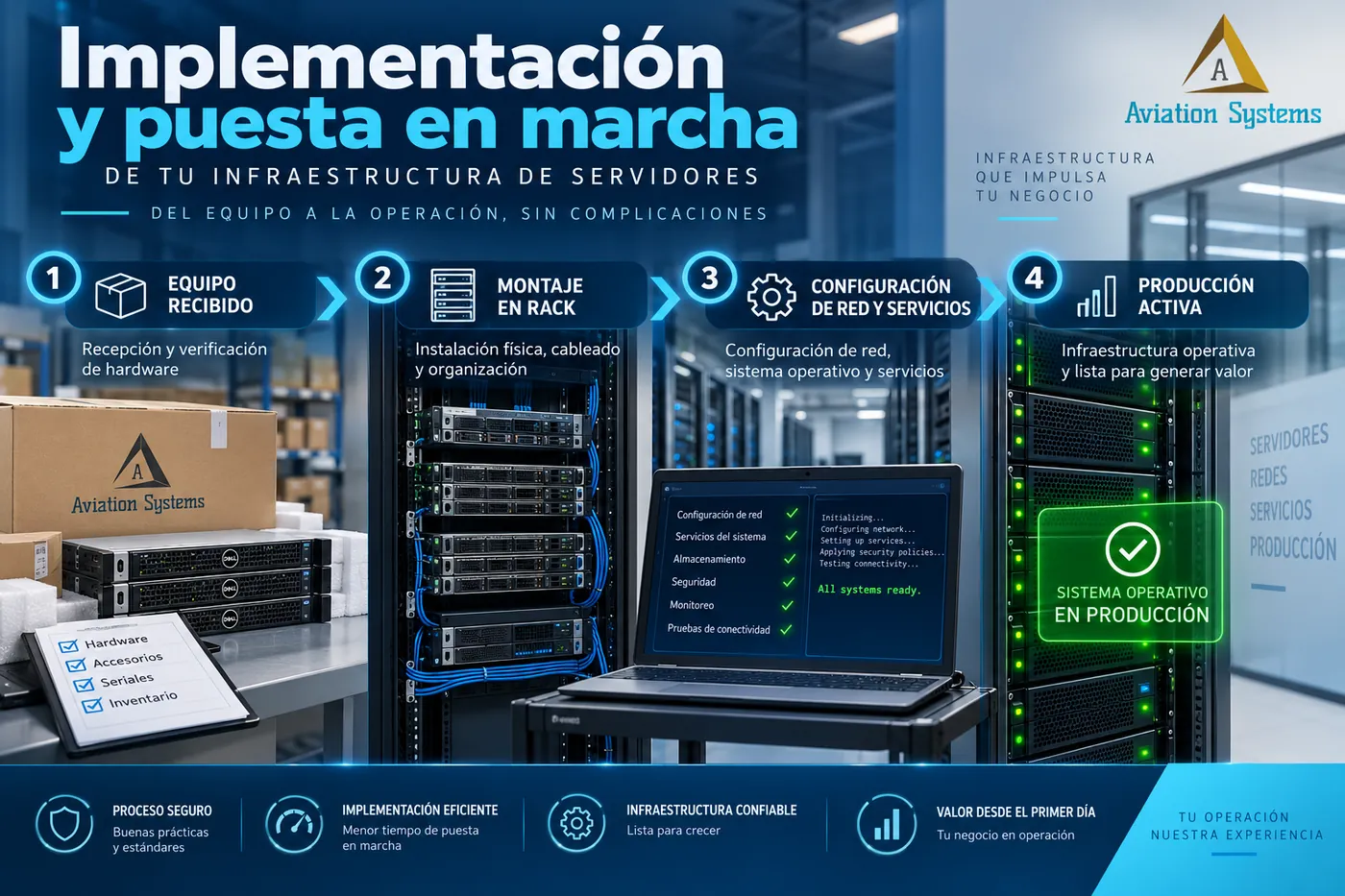
We inventory applications, users, data, equipment, network, storage and dependencies.
We calculate CPU, memory, capacity, disks, network and growth according to the identified workloads.
We define the servers, virtualization, storage, backup and redundancy suited to the project.
We install and configure the agreed systems, networks, hypervisors, services and policies.
We migrate workloads when applicable and verify operation, permissions, performance, backup and restore.
We deliver documentation of the environment and define maintenance, monitoring or support according to the contracted scope.
The choice depends on compatibility, support, licensing, performance and operational needs. We do not force a platform when another one better meets the requirement.
Yes. First we review applications, users, memory, storage, growth and availability. With that data we define a technical configuration before quoting hardware.
Yes. The platform is selected according to the applications, compatibility, licensing, operation and the level of support required.
Yes, after reviewing dependencies and risks. The migration is planned with backup, testing, a change window and a rollback procedure when applicable.
No. RAID helps tolerate certain disk failures, but on its own it does not protect against deletions, corruption, ransomware, human error or the complete loss of the equipment.
Yes. In fact, for new projects it is usually better to design them together to avoid bottlenecks, incompatibilities and single points of failure.
Share the applications, number of users, current capacity, expected growth and the level of availability you need. With that information we can prepare a technical and equipment proposal.
Request sizing